With our archives now 3,500+ articles deep, we’ve decided to republish a classic piece each Sunday to help our newer readers discover some of the best, evergreen gems from the past. This article was originally published in November 2016.
One of the earliest articles we published on the Art of Manliness was “100 Must-Read Books for Men.” The piece was a result of a collaboration between the AoM team and a few guest writers.
The list was certainly decent enough, but some of the guest picks weren’t books we would personally recommend. So too, over the last nine years we’ve read some additional books worthy of inclusion.
So today we present a revamped list of 100 books every man should read over the course of his lifetime. It’s a library that centers not on sheer enjoyment (though you’ll find that too), but on the books that expand mind and soul, build new mental models, and allow you to become more culturally literate and thus better able to participate in the Great Conversation. These are the books you’ll keep thinking about long after you’ve finished the last page (even when, or perhaps especially when, you disagree with their ideas), providing cognitive leftovers you’ll be chewing on for years, and decades, to come.
The Great Gatsby by F. Scott Fitzgerald
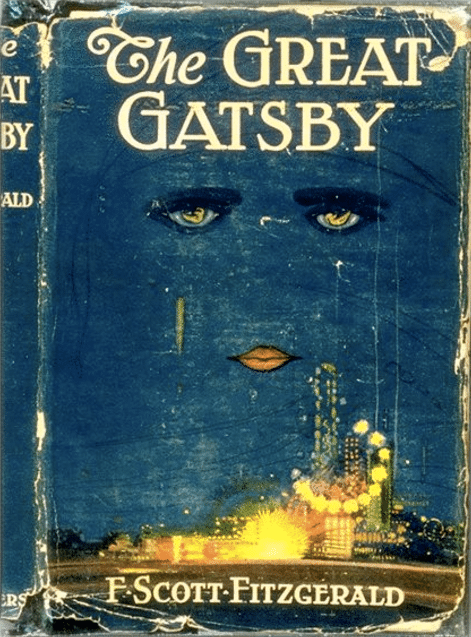
Set among New York City elites in the roaring ’20s, this book is considered one of America’s great literary products for a reason. Narrator Nick Carraway is befriended by his mysterious millionaire neighbor, Jay Gatsby, and proves to be a crucial link in Jay’s quixotic obsession with Nick’s cousin, Daisy. The metaphors, the beautiful writing, and the lessons one can garner about reliving the past all make The Great Gatsby worth reading, again and again.
For more insight into this classic, give a listen to our interview with Maureen Corrigan, the author of So We Read On: How The Great Gatsby Came to Be and Why It Endures.
The Prince by Niccolo Machiavelli
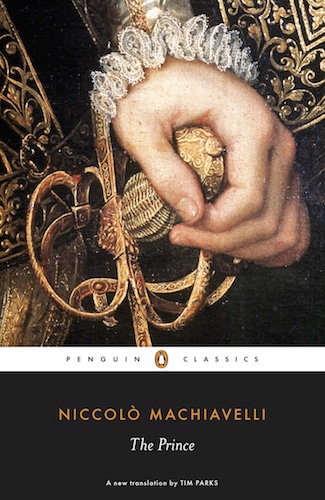
Written in the early 1500s, this is the classic guide on how to acquire and maintain political power (even if those methods are sometimes unsavory) — a so-called “primer for princes.” Its precepts are direct, if not disturbingly cold in their formulaic pragmatism. It asks the classic question: “Do the ends justify the means?” A worthy read for any man wishing to better understand the motivations and actions that tend to rule modern politics.
Band of Brothers by Stephen Ambrose
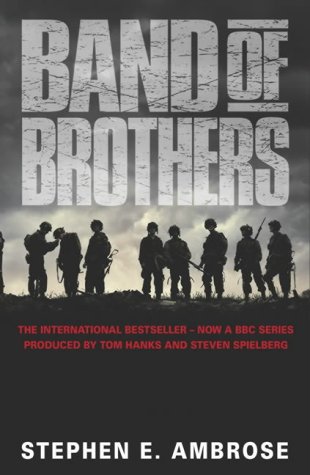
Stephen Ambrose, who passed far before his time, has given us some of the best histories of WWII out there, with Band of Brothers being the best of the bunch. From their rigorous training in Georgia to the end of the war, Ambrose tells the incredible story of the men of Easy Company. They were soldiers who went hungry, froze, and died for each other, and whose inspiring story lives on not only in this book, but in dozens of others, and of course, the popular HBO miniseries.
The Republic by Plato
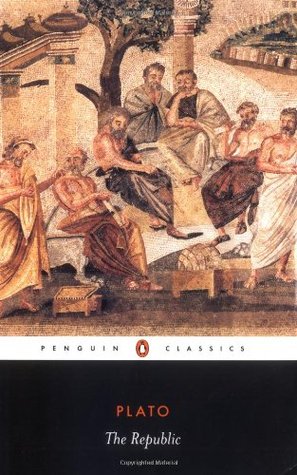
The Republic is a Socratic dialogue, written by Plato around 380 BC, concerning the definition of justice and how a just city-state should be ordered and characterized. It is the great philosopher’s best-known work and has proven to be one of history’s most influential works of philosophy and political theory. In it, Socrates and other various interlocutors discuss the meaning of justice and examine whether or not the just man is happier than the unjust man, as well as the theory of Forms, the immortality of the soul, and the role of the philosopher in society.
The Wealth of Nations by Adam Smith
The fundamental work on free market policies: “It is not from the benevolence of the butcher, the brewer or the baker, that we expect our dinner, but from their regard to their own self interest. We address ourselves, not to their humanity but to their self-love, and never talk to them of our own necessities but of their advantages.” Want an education in economics? This book is a great start.
The Call of the Wild by Jack London
The remarkable tale of Buck, a domesticated dog forced to adapt to a life of work in Alaska during the Yukon gold rush, and told from his perspective. Over time, his soft exterior and manner hardens as he learns the harsh realities of the cold. Survival replaces comfort, and toughness replaces laxity. Plus, Jack London provides some of the punchiest, most virile writing you’ll ever come across.
While London’s work is often dismissed as mere dog stories, there’s a lot going on in his literature, as London expert Earle Labor explained in this podcast interview.
Theodore Roosevelt Trilogy by Edmund Morris
Over the course of three volumes and about 2,500 pages, Edmund Morris takes us through the unprecedented and never duplicated life of AoM’s patron saint, Theodore Roosevelt. Nobody accomplished more or lived as vigorously as TR. From his younger days as a weakling who learned to hone his body, to his final forays in politics and through the Amazon, Morris really covers it all. While beastly, this trilogy is well worth the time of any man who’s ever felt a tinge of restlessness; reading about TR will turn that anxiety into action!
1984 by George Orwell
Set in a future dystopian world of perpetual war and constant government surveillance, our protagonist, Winston, is a quintessential everyman who works for the Ministry of Truth rewriting history to the government’s party lines rhetoric. He comes upon a secret organization which seeks to destroy the state, and together with a mysterious woman, joins the cause to fight against Big Brother. Although published in the late 1940s, it resonates today more strongly than ever. Will you be a lemming? Or will you be an independent thinker and actor?
Brave New World by Aldous Huxley
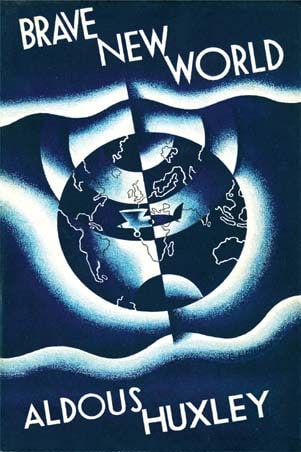
Similar to 1984, but whereas that novel portends changes in governmental rule, Aldous Huxley’s 1931 classic looks at technological changes that would change society — babies are born in laboratories, entertainment is formulaic rather than narrative, individuality is frowned up, and society is hugely stratified. Bernard Marx is on the top levels of society, but can’t seem to fit in. So he takes an ill-advised vacation, only to discover some unsettling things about the world he left behind.
How to Win Friends and Influence People by Dale Carnegie
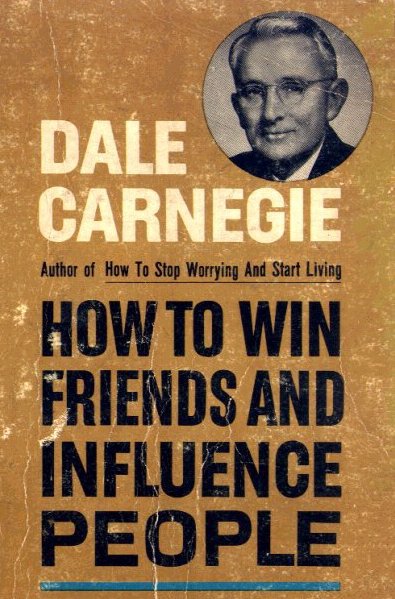
The granddad of books about people skills, the advice found in How to Win Friends and Influence People is still sound and applicable 80 years later. Carnegie writes about skills like making people feel valued and appreciated, ensuring you don’t come across as manipulative (which happens unintentionally more than we think!), and essentially, “winning” people to your viewpoints and ideas. While it can sound a little disingenuous in its description, these are truly skills that people use every day, and this book is a great resource for boning up your social game.
Roman Honor by Carlin Barton
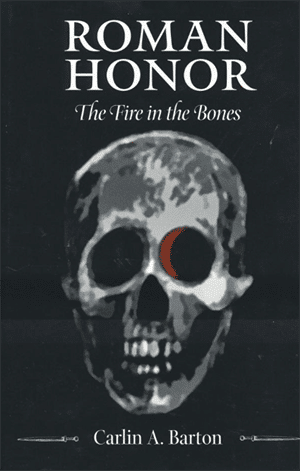
The best book on honor — bar none. Barton masterfully explores how honor shaped the lives of ancient Rome from the early days of the Republic and all the way through the fall of the empire. She shows how small, intimate groups are vital for honor to survive and how imperialism kills it. This book is a hard read, but it’s well worth the effort. The insights are so brilliant that it’s almost startling, and even the footnotes are packed with fascinating asides.
Catch-22 by Joseph Heller
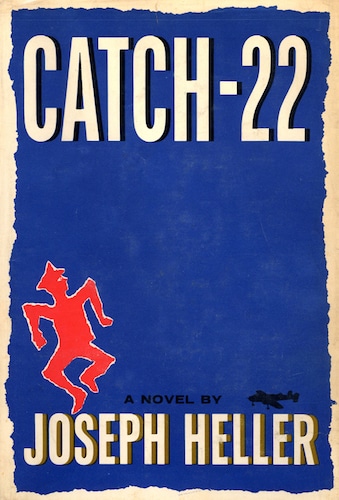
Set in Italy during World War II, Catch-22 is the story of malingering bombardier John Yossarian. He’s a hero, but also enraged at the idea that there are multitudes of people he has never met who are trying to kill him. Beyond that, his own army has enacted Catch-22 — a bureaucratic rule which states a man is insane if he willingly continues to fly dangerous combat missions, yet if he makes a request to be removed from duty, he is sane and therefore ineligible to be relieved. And so a military satire, and a phrase synonymous with the word “conundrum,” is born.
Slaughterhouse-Five by Kurt Vonnegut
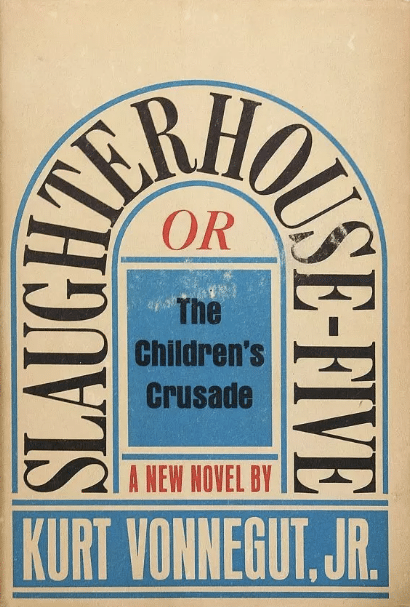
This absurdist, unconventional novel tells the tale of Billy Pilgrim, a fellow who’s become unstuck from the boundaries of time when he’s abducted by aliens. We see all of Billy’s life, primarily focusing on his experiences as a prisoner of war in Dresden, Germany in 1945 during the town’s infamous firebombing (a story shared by Vonnegut himself). Using part sci-fi, part humor, and part autobiography, Vonnegut takes the reader on a sometimes uncomfortable journey through the realities and absurdities of war.
The Brothers Karamazov by Fyodor Dostoevsky
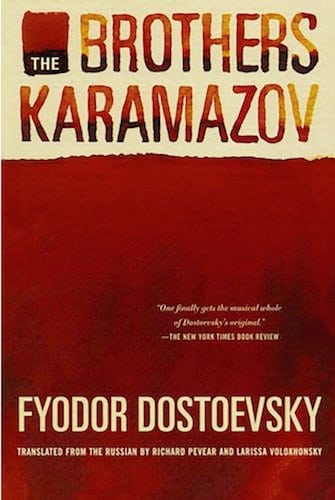
While the book’s plot centers on an aging, disinterested father and his three adult children, the substance found within goes much beyond that. Dostoevsky’s final and greatest novel, this book also involves spiritual and moral dramas and debates regarding God, free will, ethics, morality, judgment, doubt, reason, and more. It’s a philosophical work clothed as a novel — which of course makes Dostoevsky’s weighty ideas easier to digest. The McDuff translation gets rave reviews.
The Sun Also Rises by Ernest Hemingway
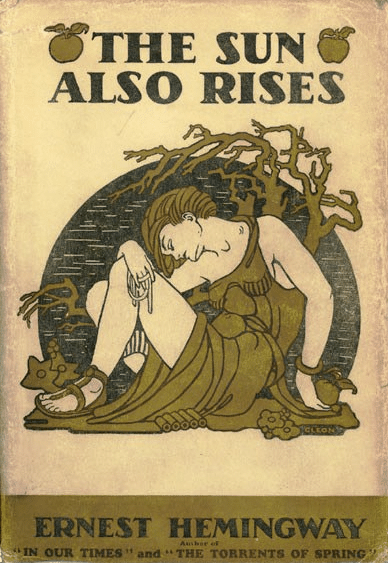
The novel that catapulted Hemingway to worldwide fame and success. The Sun Also Rises follows Jake Barnes and a group of ex-patriot friends through Spain and France, with plenty of wine-drinking and bull-fighting. The novel is a bit semi-autobiographical in that the main character is trying to deal with his war wounds — both physical and emotional — and escape to the supposed romanticism of traveling and eating and drinking to your heart’s content. Does Jake find happiness? You’ll have to read to find out.
For Whom the Bell Tolls by Ernest Hemingway
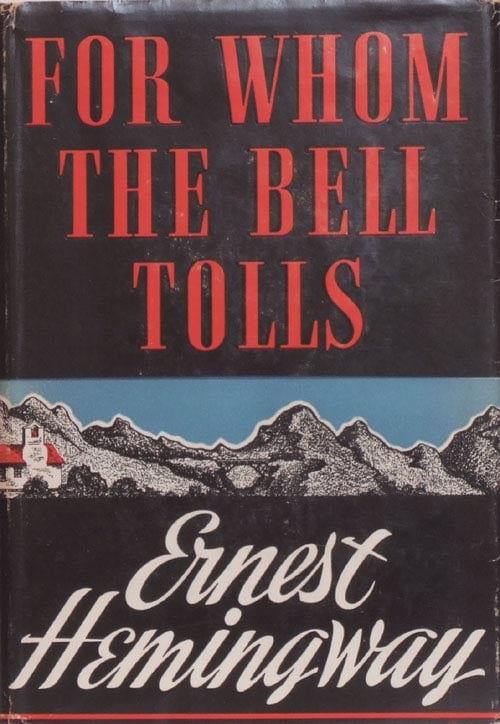
Robert Jordan is a young dynamiter in the Spanish Civil War. He’s an American who’s volunteered to fight against Franco’s fascists, and is sent behind enemy lines to take out an important bridge to impede enemy forces from advancing. He lives in a rudimentary camp with anti-fascist Spanish guerillas, and comes to embrace their hearty way of life and love. And of course, there are some incredible battle scenes, which were informed by Hemingway’s own time as a correspondent in the Spanish Civil War.
Swiss Family Robinson by Johann David Wyss
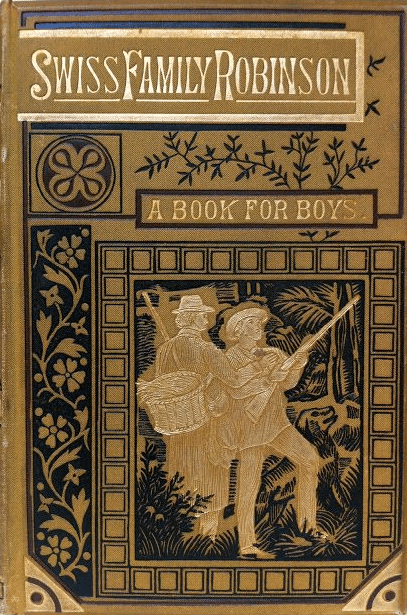
After a terrible storm, the Swiss family Robinson becomes shipwrecked on a deserted island. With teamwork, ingenuity, and a bit of pluck, the group strives to overcome nature’s obstacles and create some semblance of community and civility within their new environs. A truly classic survival and adventure tale.
On the Road by Jack Kerouac
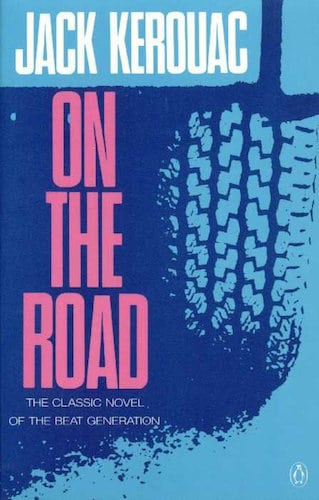
A defining novel of the Beat generation, On the Road is a fictional, but semi-autobiographical account of two friends’ road trips across America, against the backdrop of a counter-culture of jazz, poetry, drug use, and the drunken revelry of back-alley bars. Along their travels, they’re searching for what many young men are: freedom, ambition, hope, and authenticity.
The Dharma Bums by Jack Kerouac
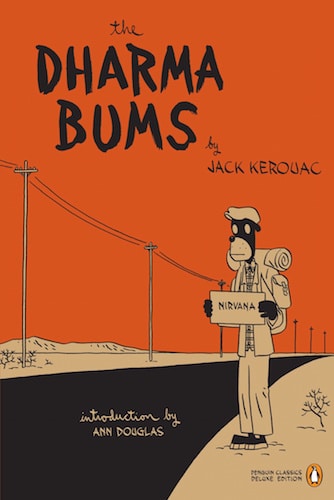
First published in 1958, a year after On the Road put the Beat Generation on the map, The Dharma Bums stands as one of Jack Kerouac’s most powerful and influential novels. The story focuses on two ebullient young Americans — mountaineer, poet, and Zen Buddhist Japhy Ryder, and Ray Smith, a zestful, innocent writer — whose quest for Truth leads them on a heroic odyssey, from marathon parties and poetry jam sessions in San Francisco’s Bohemia to solitude and mountain climbing in the High Sierras.
The Iliad & The Odyssey by Homer
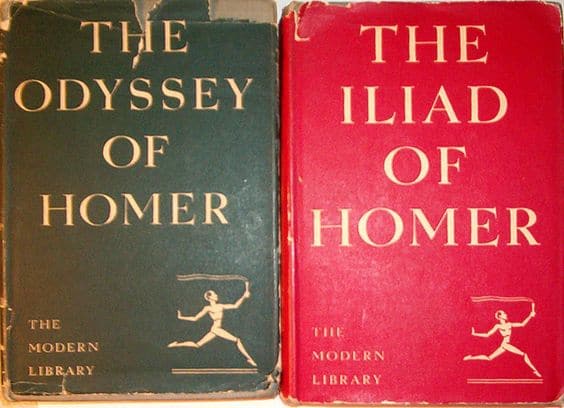
These epic poems are some of the world’s oldest pieces of literature. They’ve been read, enjoyed, and studied for thousands of years, and for good reason. They are not only beautiful to the ear, but contain lessons that every man can learn about heroism, courage, and manliness. The Iliad takes place during a few weeks of the final year of the Trojan War, and details the heroic deeds of both Achilles and Hector, as well as a variety of other legends and stories. The Odyssey, a sequel of sorts, is about the great warrior Odysseus’ voyage home after the Trojan War. He faces various obstacles in his return to Greece, and we also see how his family back home dealt with his assumed death.
Walden by Henry David Thoreau
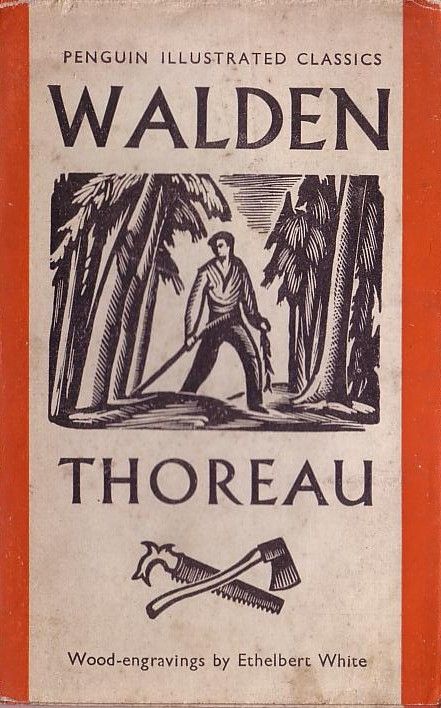
First published in 1854, Walden details Henry David Thoreau’s experiences over the course of two years, two months, and two days in a cabin he built near Walden Pond. The book is a philosophical reflection on simple living and nonconformity; Thoreau sets out to show readers the possibility of living deliberately, even while not entirely separating oneself from civilization.
A lot people misunderstand what Thoreau was trying to do with Walden; to gain a greater understanding of this book, listen to this podcast.
The Lord of the Flies by William Golding
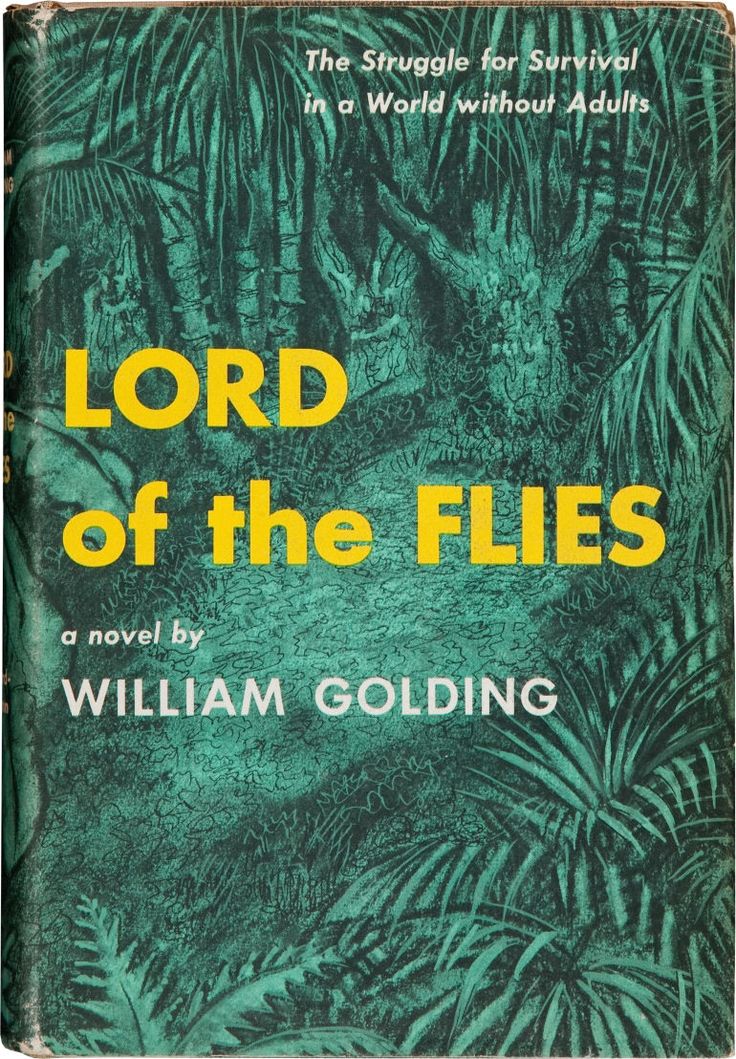
A novel about primal instincts and self-governance, set inside the story of a group of ordinary boys stuck on an uninhabited island. While fun at first, things devolve quickly when it comes time to actually think about long-term survival. It’s equal parts parable, political treatise, morality tale, and apocalyptic warning. Though published in 1954, its lessons and sentiments ring just as true today.
Atlas Shrugged by Ayn Rand
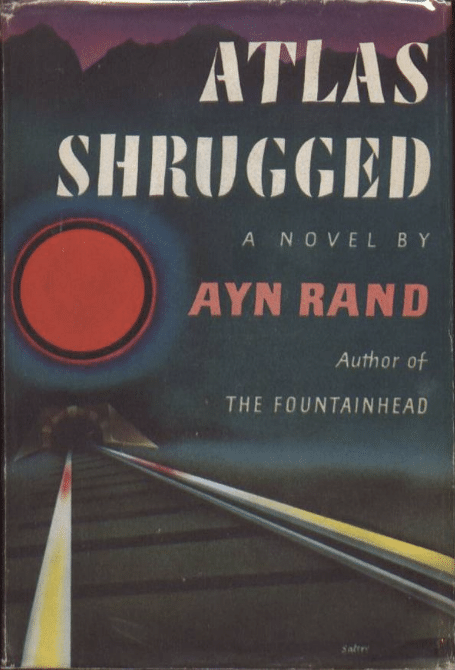
While there’s plenty of political, moral, and economic philosophy in this book, it’s coated in an action thriller of a story. Set in the near future, our protagonists are Dagny Taggart, heir to a transcontinental railroad empire, and Hank Rearden, the head of a steel company who’s invented a revolutionary new alloy. Together, they battle against evil government bureaucrats and socialists to hold civilization together, while all the while powerful industrialists are mysteriously disappearing, leaving behind only the cryptic phrase “Who is John Galt?” Though this book is associated with passionate libertarianism, the story is an interesting one to ponder no matter one’s political persuasions.
The Boy Scout Handbook (1st Edition)
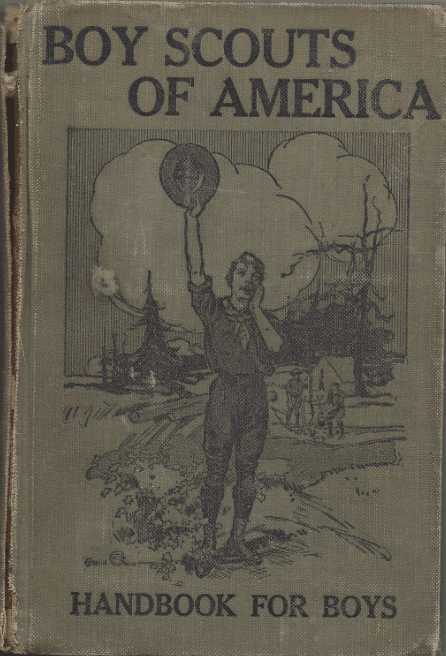
This is the book that started the Boy Scout movement. You’ll be amazed at the amount of useful information the first edition manual has (and how much more challenging the badges are!) compared to Scout manuals today. In addition to teaching essential scouting skills, the first edition also includes stories of adventure, bravery, and virtue that will excite and inspire any man. True first editions can be hard to find and super expensive, but inexpensive reprints are fortunately readily available.
Into Thin Air by Jon Krakauer
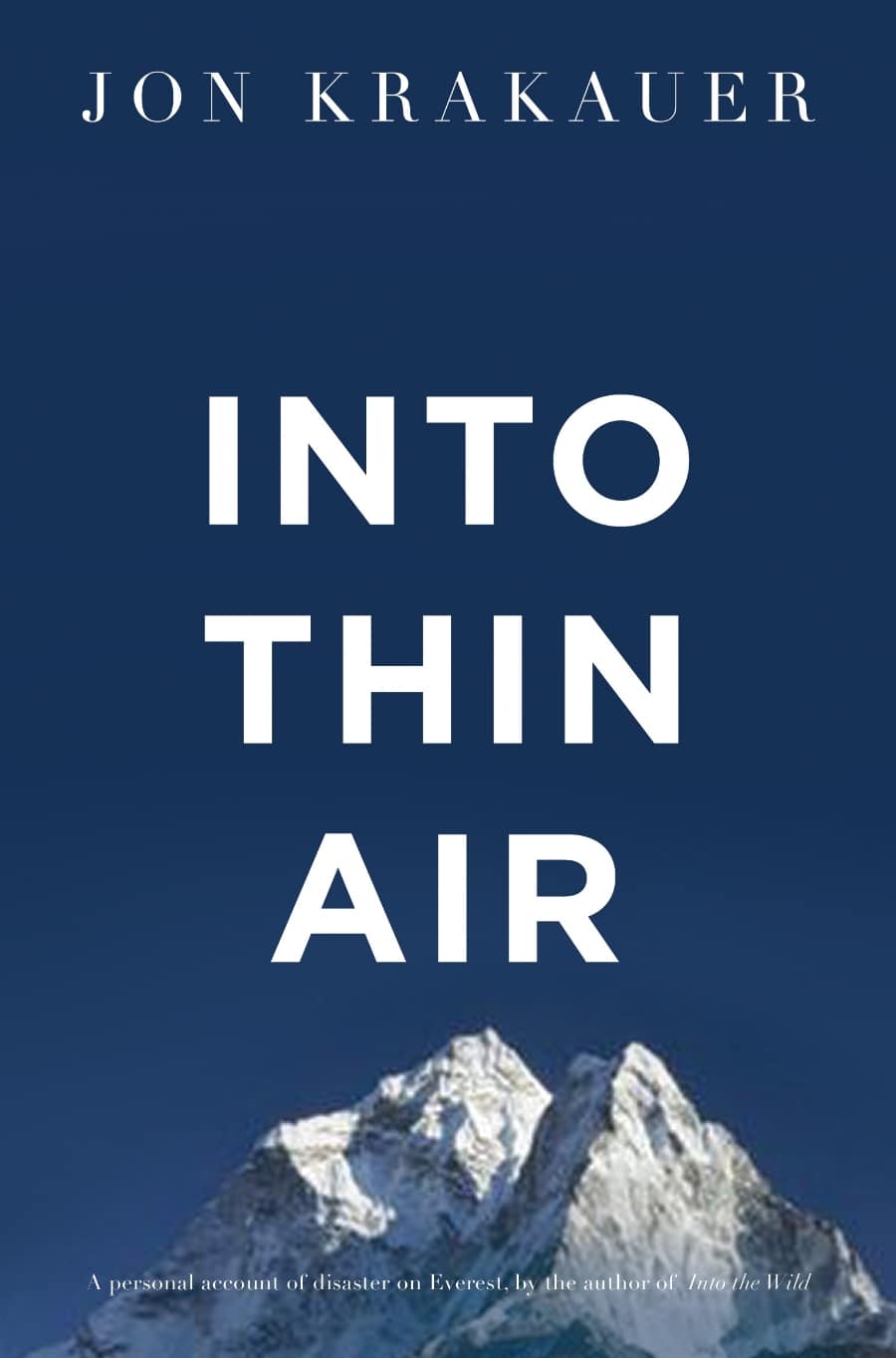
Mt. Everest’s 1996 climbing season went down as one of the deadliest in the history of mountaineering. Author and journalist Jon Krakauer was there to write a story about Everest, and ended up smack dab in the middle of a devastating and unexpected storm. The book is not only a remarkable adventure tale (made even more dramatic by its reality), but a story of mountains, and the great ordeals people go through to summit them, even when looking death in the face.
King Solomon’s Mines by H. Rider Haggard
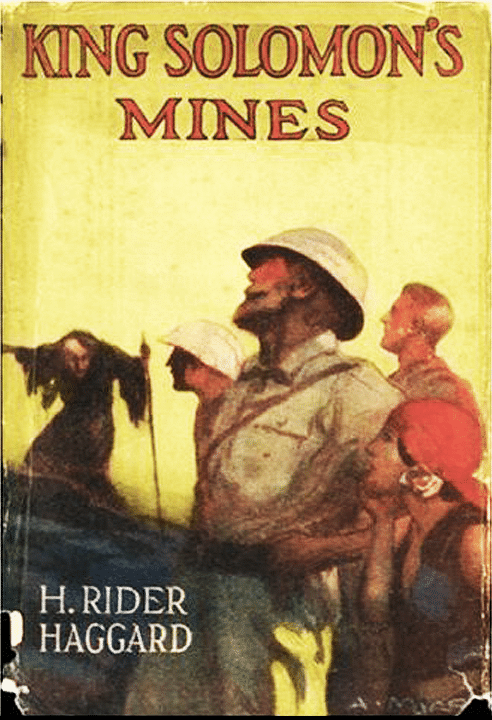
Fictional adventurer Allan Quatermain is drafted into a search and rescue party that leads into the great unknown of unexplored Africa, where entire civilizations are discovered and rumors of the location of the mines of King Solomon lead the team on one of the greatest adventures in all of literature.
A River Runs Through It by Norman Maclean
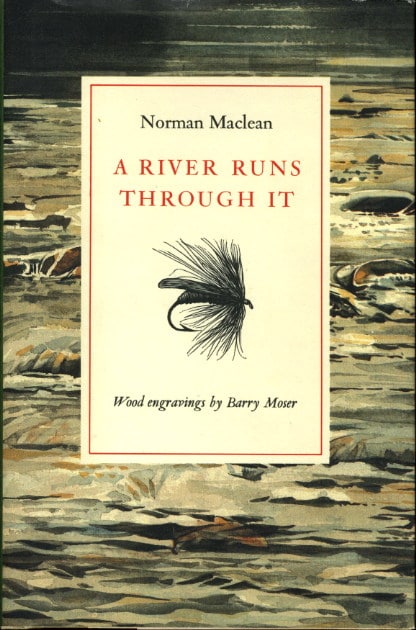
While this a collection of three stories, the title story garners the most attention as a love letter to the art of fly fishing, with metaphysical and philosophical questions taking root while knee-deep in the water. While technically fiction, like many of the other stories on this list, they are rooted deeply in the author’s own experiences. After its original publication 40 years ago, connecting fishing to life and philosophy became a common trope in pop culture.
The Autobiography of Malcolm X
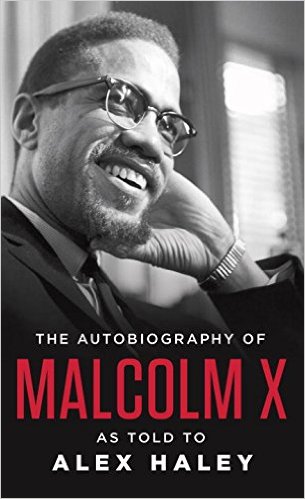
Malcolm X is one of the most controversial public figures from the Civil Rights Movement. His autobiography shows what a complex man he was. In it, we see his transformation from ignorance and despair to knowledge and spiritual awakening. His emphasis on the principle of self-reliance and taking a stand for your rights can resonate with every man, especially in turbulent political and social times.
The Count of Monte Cristo by Alexander Dumas
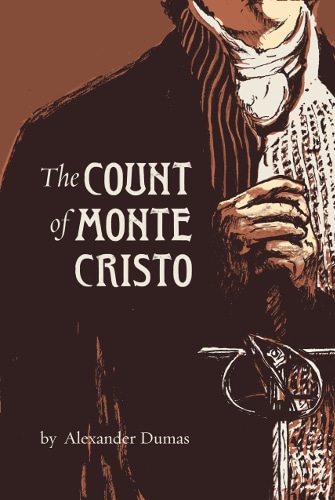
The ultimate tale of betrayal and revenge. Edmund Dantes, days before marrying his beloved Mercedes, is brutally betrayed, arrested for treason, and consequently taken to a prison on an island off the French coast. The story goes on to tell of his escape from prison (don’t worry, it’s early in the novel and doesn’t ruin anything) and his becoming wealthy and re-entering society as an educated and sophisticated Count. He plots his revenge, eyes reclaiming his love, and ultimately…well, you’ll just have to read it.
All Quiet on the Western Front by Erich Maria Remarque
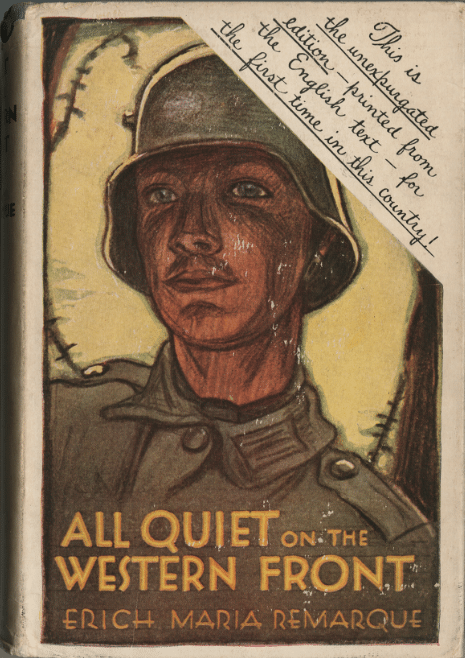
Banned in Germany shortly after its publication, All Quiet on the Western Front is the sobering story of German soldiers in the trenches of WWI. We see the extreme physical and mental stress they felt during the war, as well as the detachment from civilian life many of these soldiers experienced upon returning home. It was one of the first novels to depict the modern brutalities of battle and the way technological advances had destroyed war’s heroic romanticism.
Pride & Prejudice by Jane Austen
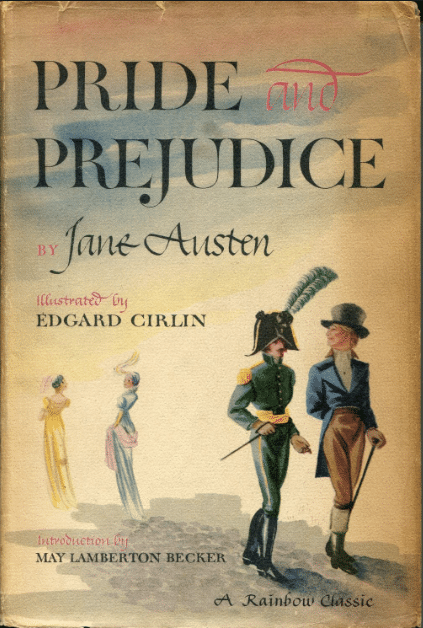
Jane Austen has a reputation as “chick lit” but her classic works are worthwhile and enjoyable reads for men too. Start with Pride and Prejudice: the romance tells the story of the Bennet family, especially second daughter Elizabeth. She faces mounting pressure to marry, and when she’s introduced to the handsome and upper-class Mr. Darcy, sparks fly. As with all relationships though, it’s not so simple, and nobody quite seems to be who they appear to be on the outside. Austen’s wit, sarcasm, and observations about the hypocrisies of life make this book eminently readable and relatable.
The Art of War by Sun Tzu
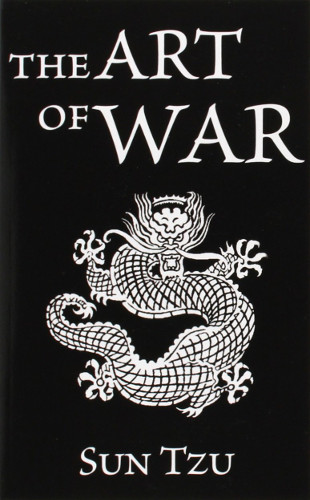
The Art of War remains the classic text on strategic warfare. Written in the 6th century, it’s been influencing military leaders, as well as businessmen and politicians among others, ever since. Its themes and ideas have been studied and re-studied over many centuries, and it would do a man well in all facets of life to read through the book’s proverbs every now and then as a refresher on tactical prowess.
Lives by Plutarch
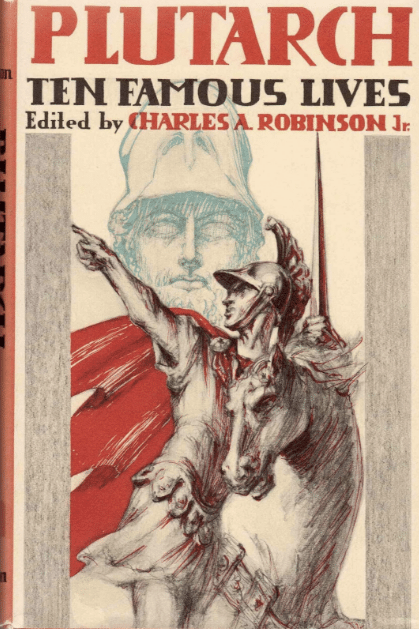
If you wish to be a great man, you must learn from great men. One of the best ways to do that is through reading biographies. Plutarch’s massive collection, Lives of the Noble Greeks and Romans, profiles some of history’s greatest men up through that time, and illuminates their shared virtues and shortcomings. His biography of Alexander the Great is especially compelling.
The Bible
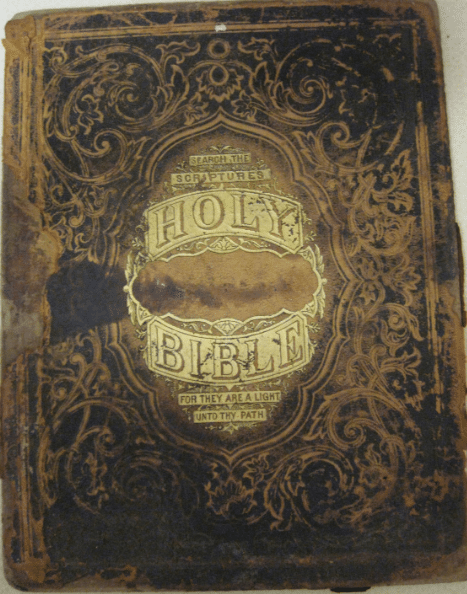
Despite being one of the most religious industrialized nations, America’s religious literacy is grossly impoverished. What’s the problem with that, you ask? Well, half the books on this list (probably more, actually) make Biblical references that must be known by the reader in order to fully understand the message. If a Western man desires to understand the culture that surrounds him, he needs to have a thorough understanding of one of the books that most influenced it. Beyond that, the Bible is full of ancient counsel and advice that is applicable to any modern man, whether he’s a Jew, a Christian, or not religious at all.
Lonesome Dove by Larry McMurtry
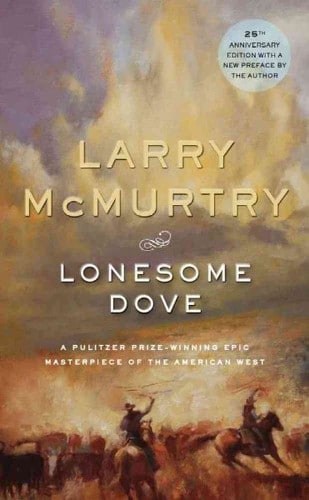
Lonesome Dove is quite possibly the greatest Western novel ever written. The story follows two long-time friends on a cattle drive from the Rio Grande to Montana. Along the way they encounter outlaws, Indians, and old flames. Be warned, this book is a beast. But reading it (and re-reading it) is definitely worth it. After you’re done, make sure to watch the mini-series and listen to our podcast interview about the book.
After Virtue by Alasdair MacIntyre
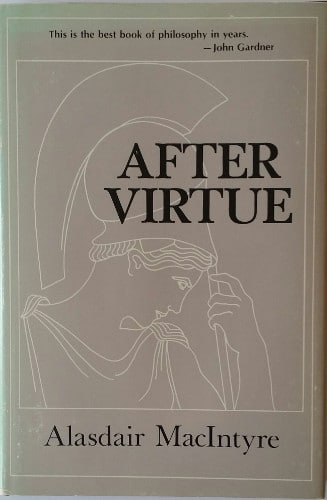
MacIntyre, a Scottish philosopher, argues that the language of virtue and a true understanding of morality has been lost to us in the modern age; while we think we know what morality is, we’re simply riffing on the fragmentary pieces that remain. The result is an irrational, unintelligible mess, where arguments over moral issues are shrill and impossible to resolve. What is needed is a unity of virtues and a why — a shared end goal of human life — such as is provided in Aristotelian philosophy. The book is heavy and deep, and takes several reads to begin to understand and to mine out the rich insights. But once you do, you’ll reflect on it often as you observe the stagnation and entanglements of modern culture.
The Maltese Falcon by Dashiell Hammett
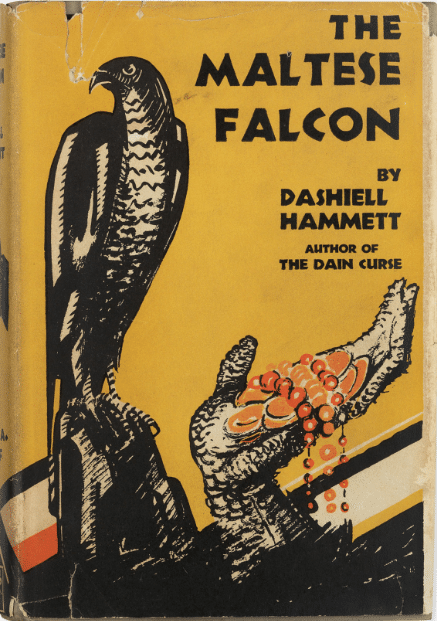
There’s nothing better than a good hard-boiled detective novel. And like any great work in the genre, moral ambiguities abound. Sam Spade, the main character, is a hardened and cynical private eye with his own code of ethics. Enter a grifter, a beautiful woman whose loyalties shift at the drop of dime, and a valuable missing falcon statue — and you’re primed for a wonderful romp of a story.
To Kill A Mockingbird by Harper Lee
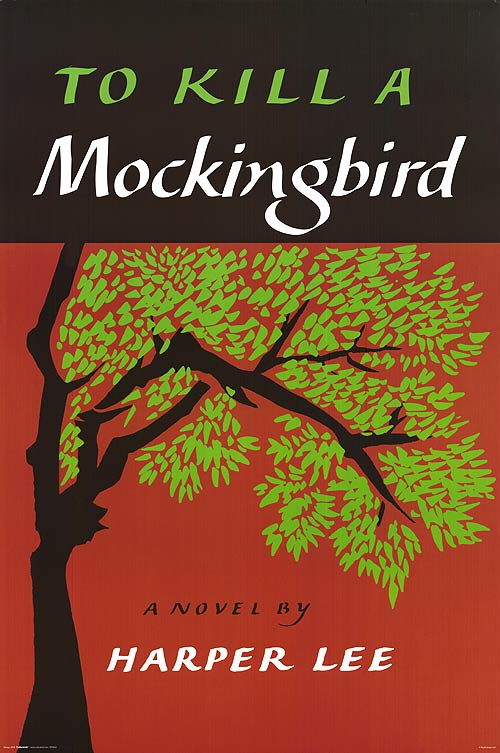
This perennially school-assigned novel by Harper Lee is a classic for a reason. Six-year-old Scout and her older brother Jem spend their days riding bikes, spying on neighbors, and hanging out with their friends. Things in town become much more serious, though, when their widowed father, Atticus, comes to defend a black man who’s been accused of raping a white girl. Suddenly, kids are thrust into a very adult world, and lean on their dad to help put things in perspective.
The Killer Angels by Michael Shaara
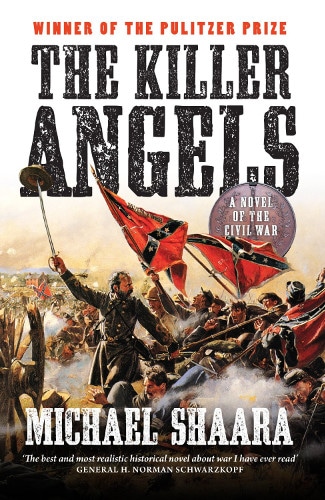
The Killer Angels is a historical novel of the four days of the Battle of Gettysburg. It recounts the bloody affair from the men who played a key role in it as told from various perspectives. Shaara attempts to get in the minds of General Lee and Colonel Longstreet to decipher their thoughts and motivations leading up to the fateful battle. Love, fear, pride — we see all the emotions a soldier and leader might feel in the days leading up to, and during, the gruesome fighting.
The Autobiography of Benjamin Franklin
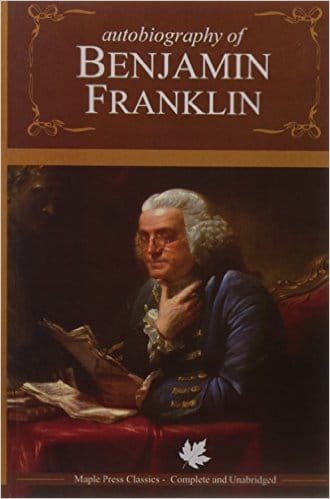
This autobiography is considered by many to be America’s first self-help book. In addition to sharing his life story, Franklin explains how a man can make himself a success, in large part through sharing his own tactics. The story begins with Franklin as a boy, walking around barefoot and with rolls in his pocket, and ends with him being a successful businessman, scientist, and statesman. Woven throughout are numerous tips on actionable productivity and personal development.
The Histories by Herodotus
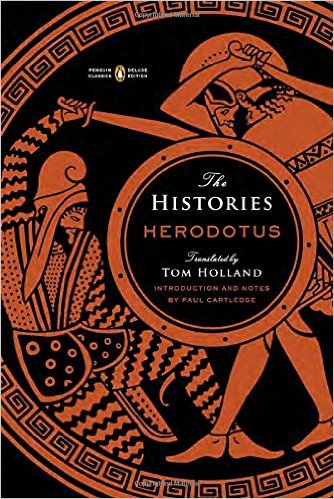
If we don’t learn from the past, we’re doomed to repeat it. Herodotus’ Histories is considered the founding work of history in Western literature, and established the genre as we know it today. It serves as a record of the ancient traditions, politics, geography, and clashes of various cultures in Western Asia, Northern Africa, and Greece. The Founding Fathers looked to Histories to learn from the mistakes that the ancient Greeks made with democracy, and not repeat them.
From Here to Eternity by James Jones
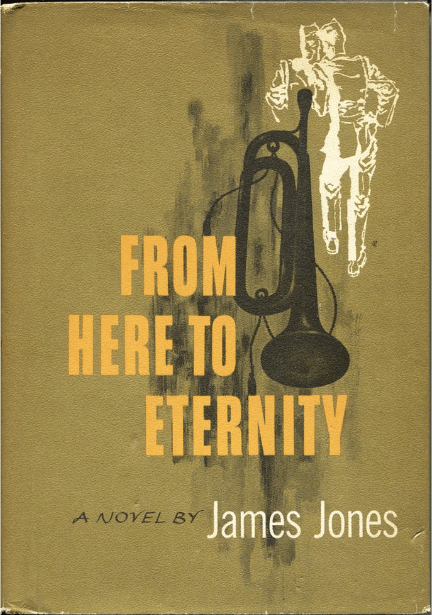
In this magnificent but brutal classic of a soldier’s life, James Jones portrays the courage, violence, and passions of men and women who live by unspoken codes and with unutterable despair. Private Robert E. Lee Prewitt is a champion welterweight and a fine bugler, but he refuses to join the company’s boxing team. First Sergeant Milton Anthony Warden knows how to soldier better than almost anyone, yet he’s risking his career to have an affair with the commanding officer’s wife. Hawaii may be paradise on the outside, but not all is rainbows and butterflies.
The Thin Red Line by James Jones
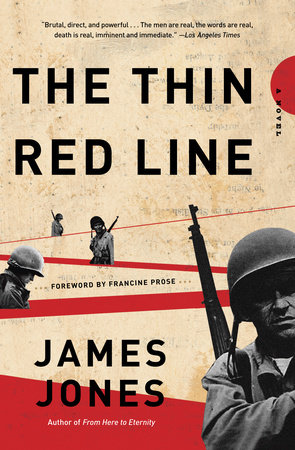
James Jones’ fictional depiction of the Guadalcanal Campaign during WWII. The men of Charlie company are about to land, grim and white-faced, on the Guadalcanal atoll in the Pacific. As one reviewer noted: “This is their story, a shatteringly realistic walk into hell and back.” Some soldiers earn medals, others do anything they can to get sent home before landing in a grave. And they all find that there’s a thin red line which divides the sane from the insane.
Zen and the Art of Motorcycle Maintenance by Robert Pirsig
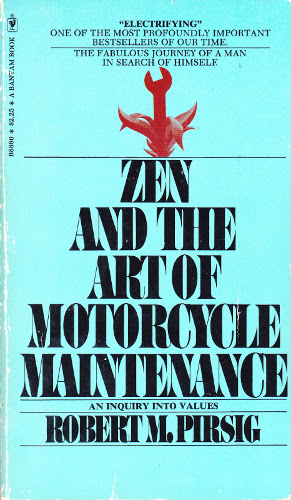
Part memoir and part philosophy, Zen dubiously holds the Guinness World Record for being rejected by 121 publishers before being published and becoming a perennial bestseller. Published in 1974, it chronicles a 17-day father-son motorcycle journey from Minnesota to California. In the midst of this journey, our narrator (along with his son) explore several philosophical questions, with the main theme being the meaning of quality, and what good work really looks like in our modern world — ideas that still apply equally well 40+ years later.
The Long Goodbye by Raymond Chandler
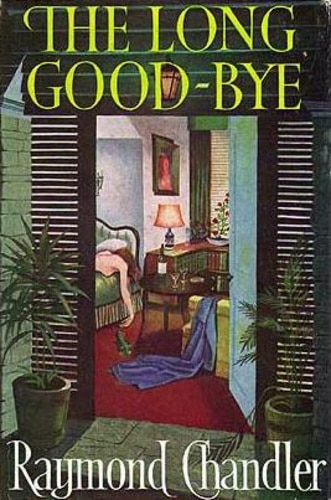
The Long Goodbye is the last book in Raymond Chandler’s Philip Marlowe detective series. In it, Marlowe befriends a down-on-his-luck war veteran, Terry Lennox, with the scars to prove it. Then he finds out that Terry has a very wealthy wife, who he’s divorced and re-married, and who ends up dead. Now Lennox is on the lam, and the cops are after Marlowe. Full of gangsters and beautiful femme fatales, this is a hard-boiled novel at its best.
Self-Reliance & Other Essays by Ralph Waldo Emerson
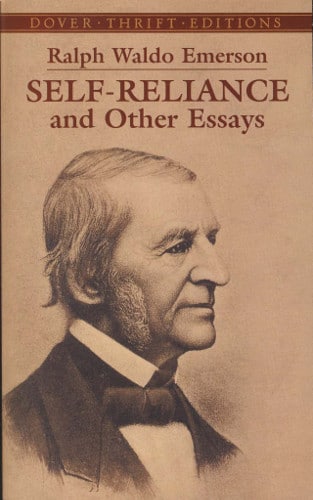
“Self-Reliance” contains the most prominent of Ralph Waldo Emerson’s philosophies: the need for each individual to avoid conformity and personal inconsistencies, and to follow their own instincts and ideas. You’re to rely on your own self versus going with the ebbs and flows of culture at large. Other essays in the collection focus on friendship, history, experience, and more.
Ulysses by James Joyce
This notoriously hard-to-read novel chronicles the wandering appointments and encounters of main character Leopold Bloom in Dublin during the course of an ordinary day, June 16, 1904. Ulysses is the Latinized version of Odysseus, the famed Homeric hero, and Joyce establishes a connection between the characters and experiences of the two. Using stream-of-consciousness writing, and plenty of puns and allusions, it’s just about guaranteed you won’t fully get it on the first read. Just do your best and make it through.
The Master and Margarita by Mikhail Bulgakov
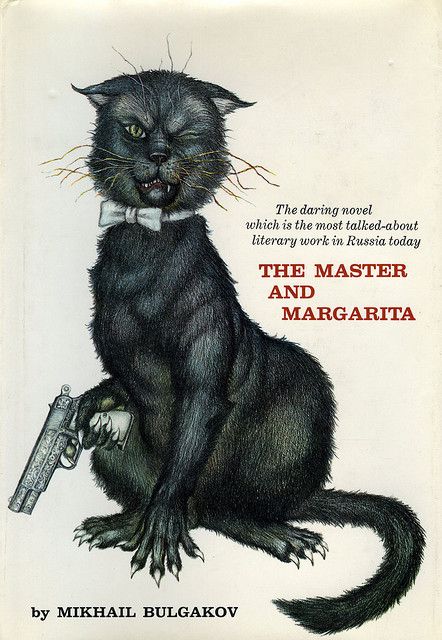
There is nothing more manly than a bout with the Devil. Mikhail Bulgakov wrote this entertaining commentary on the social bureaucracy in Moscow during the height of Stalin’s reign. Lucifer himself pays the atheistic city a visit to make light of the people’s skepticism regarding the spiritual realm. The novel also visits ancient Jerusalem under Pontius Pilate’s rule. Even for the non-religious, this book will provide plenty of food for thought.
The Road by Cormac McCarthy
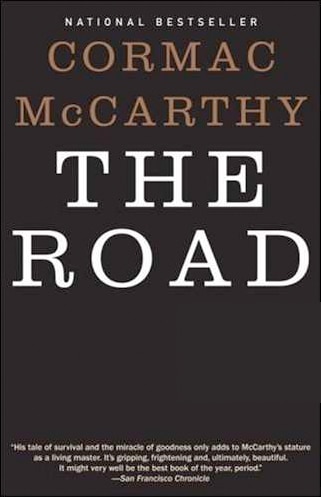
The Road has been called by some a love story between father and son, and nothing could better describe it. The book powerfully puts the beauty and sorrow of fatherhood in stark perspective, revealing paternal love intensely close to the bone. An unnamed father and his son pilgrimage across a dreary, ashen, post-apocalyptic America, pushing a shopping cart of their supplies and perpetually scavenging for their next meal. As the father watches out for the “bad guys” (savage tribes of baby-eating men who maraud across the landscape), he teaches his son to remain one of the good guys — to always carry the fire.
To take a dive into the meaningful depths of this novel, listen to this podcast.
Steppenwolf by Herman Hesse
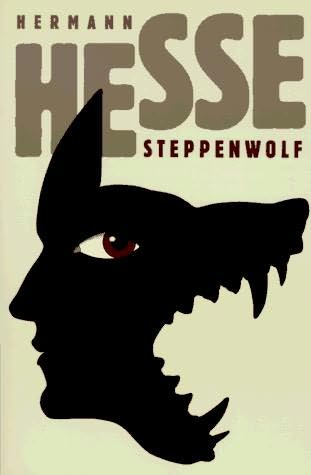
Steppenwolf, one of Herman Hesse’s best known works, follows a sad and lonely intellectual for whom life brings no joy. Harry Haller has within himself both a rational man, and a wild primeval wolf, and he has trouble reconciling these two natures. But then he meets a carefree and elusive woman, Hermine, who shows him that life’s pleasures aren’t necessarily as hollow as he once believed.
The Book of Deeds of Arms and of Chivalry by Christine de Pizan
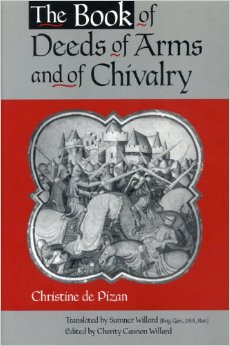
In any era, you wouldn’t necessarily expect a book about warfare to come from the pen of a woman. You might be even more surprised to learn that a woman named Christine de Pizan wrote and published such a manual in the early 1400s. It conveys a great deal regarding strategy, tactics, and the technological advances of medieval warfare. It includes important source material about early gunpowder weaponry, as well as many thoughts about Just War. A classic work that simply doesn’t get much attention, The Book of Deeds of Arms and of Chivalry deserves a spot on your bookshelf.
Don Quixote by Miguel de Cervantes
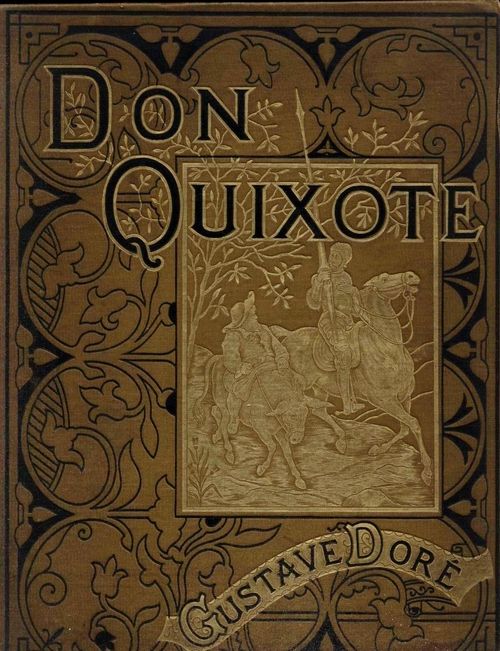
It’s all well and good to be a dreamer, but a man must also be grounded in reality. It’s a lesson that Don Quixote, protagonist of this eponymous book, comes to learn in what is widely considered to be the world’s first novel. Quixote, along with his squire Sancho Panza, travels the world in search of grand adventures and heroic deeds which would earn him the title of Knight. He continues against all odds, and in some cases, against all common sense. It’s funny, surprisingly easy to read given the fact that it’s over 400 years old, and can provide a man many lessons on the aspirations of heroism.
Invisible Man by Ralph Ellison
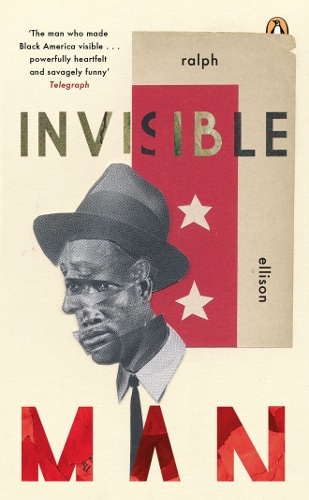
The story of a nameless black man in New York City who grows up in the South, but moves north to be part of the Brotherhood, a society that supposedly fights for justice and equality. He soon realizes the political motivations behind the movement though, and retreats in an attempt to figure out who he is as a black man in white America. A novel about race, identity, acceptance, and being comfortable with who you are — it’s a book everyone should read.
The Adventures of Huckleberry Finn by Mark Twain
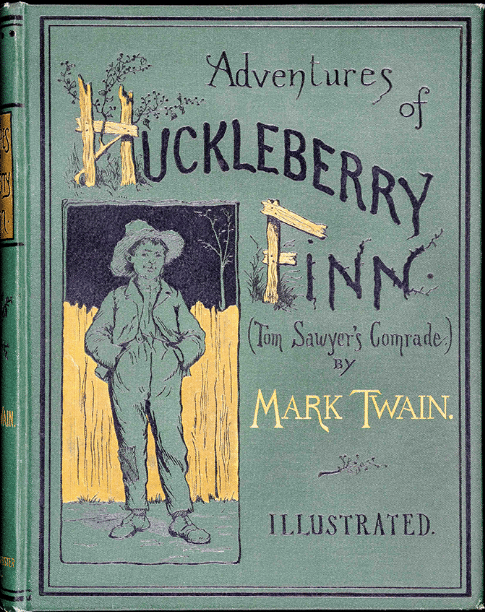
A classic American work, Huck Finn is often required reading in middle school, and for good reason. One of the first books to be written in vernacular (that is, with language of a particular region), it can be seen as both scathing satire of the antebellum South, or as a coming-of-age story for the young Huck Finn. Finn — a white boy — teams up with fugitive adult slave Jim as they flee by raft on the Mississippi River, and float into many an adventure together.
Leviathan by Thomas Hobbes
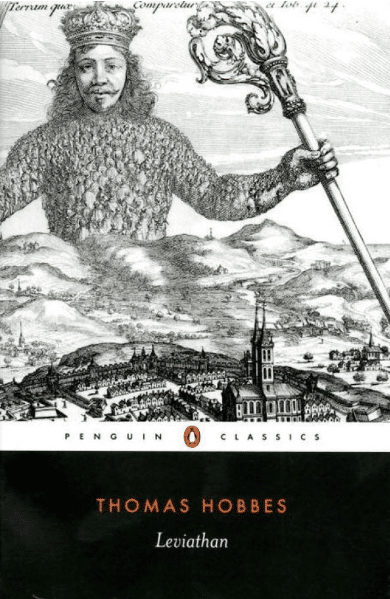
Written during the English Civil War of the mid-1600s, Hobbes’ work is one of the foremost authorities in political theory. The book’s primary concern is the centralized power of the sovereign state existing to maintain order and peace. How is society to be structured? How are people to be governed? It’s an influential example of the social contract theory, which states that individuals, by simply being part of a society, agree to give up some rights in order to maintain others. In our modern political turmoil, any classic work of societal theory is worth reading for greater perspective.
Nicomachean Ethics by Aristotle
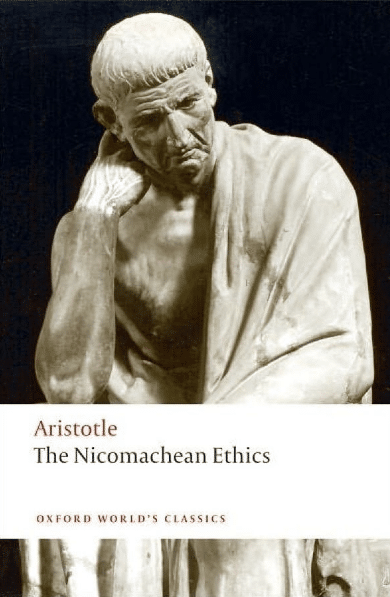
The central work of Aristotle’s thoughts on ethics, it details how a man should best live. Topics covered are virtue, right actions, and specific qualities men should strive after like courage, justice, magnanimity, temperance, etc. A classic philosophical work which every man should have an understanding of.
Cyrano de Bergerac by Edmond Rostand
This 1897 play follows French cadet Cyrano de Bergerac. He’s a poet, musician, and expert swordsman — a true Renaissance Man. Unfortunately, Cyrano has a tragically large nose, which hinders his confidence to the point that he’s unable to profess his feelings to Roxane and feels he isn’t worthy of anyone’s love. What is a man to do in such a situation? Read and find out.
The Last Lion Trilogy by William Manchester
Quite possibly the best biography you’ll ever read. Epic in scale — about 3,000 pages split over 3 volumes — Manchester takes you on an enjoyable and edifying ride through Winston Churchill’s legendary life. It’s hard to call any biography a page-turner, since you know what happens, but The Last Lion comes awfully close. Tragically, Manchester died before being able to finish the last volume, and another author stepped in to complete it. The third volume thus falls slightly short of the first two, but all are eminently worth reading.
The Naked and the Dead by Norman Mailer
As with many WWII novels written in the late 40s and 50s, The Naked and the Dead pulls much from author Norman Mailer’s own experiences as a soldier in the Philippines. The story focuses on American troops who are faced with driving out the Japanese on a fictional South Pacific island so that they can advance into the Philippines. Between character dialogue and “time machine” sections which focus on soldiers’ backstories, we get a realistic glimpse of being an American warrior in the Pacific campaign of WWII. As with most depictions of this battlefront, the picture that emerges isn’t pretty.
This Boy’s Life by Tobias Wolff
A classic memoir of adolescence and growing up without a present father. The parents of author Tobias Wolff divorce, and he ends up in his mother’s custody, traveling all over the country and constantly on the move. They develop a very close relationship, but Wolff also has to fight to create his own identity and self-respect when a new stepdad enters the picture. Between adolescent frustrations and schemes, he finds a path towards self-invention that ultimately changes his life.
Hatchet by Gary Paulsen
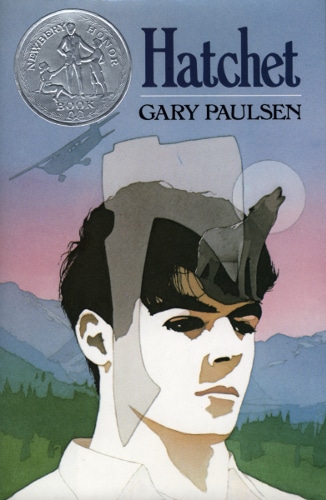
The basic plot is this: A teenage city boy named Brian Robeson crashes in the middle of the Canadian wilderness while flying in a bush plane. The pilot dies, and the boy lives. All alone in the wilderness, Brian must learn how to survive in the wild for 54 days with nothing but a hatchet. While the book is aimed at young adults, the lessons the book offers on survival and self-reliance are as enjoyable and instructive to boys as grown men.
The Baghavad Gita
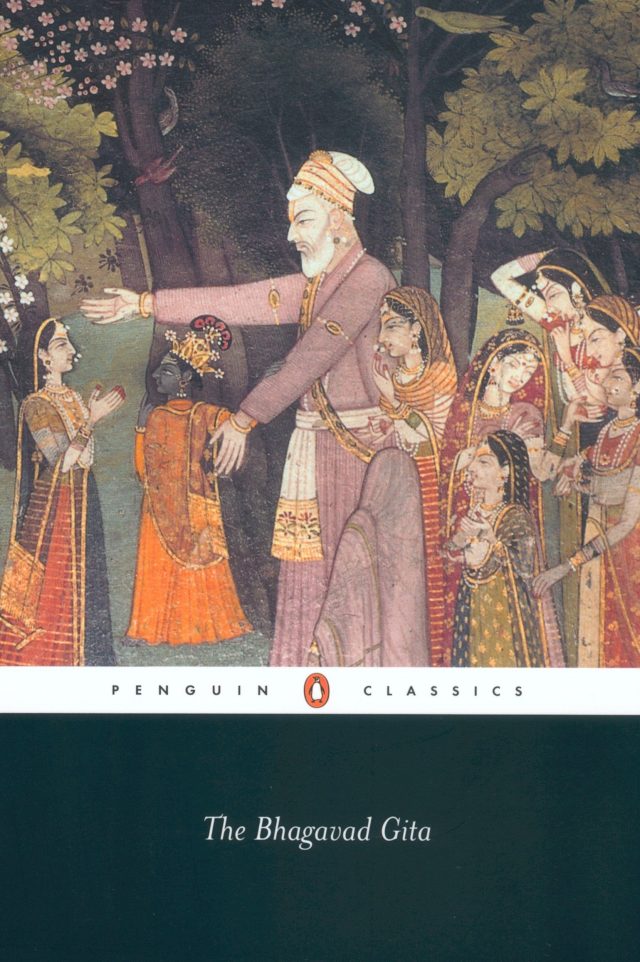
Sacred Hindu scripture, The Baghavad Gita begins in the middle of an apocalyptic war between families. A young warrior named Arjuna rides up to a battle about to unfold with his charioteer Krishna, a god in disguise. Torn by conflicting loyalties, Arjuna sinks to the floor of his chariot, paralyzed and confused as to what he should do. The rest of the Gita is Krishna’s counsel to Arjuna on how to carry himself in a world of uncertainty. The big takeaway is the importance of taking action, while understanding and accepting that you have little or no control over the outcomes of your actions. Or, as Krishna puts it, “You have the right to the work, but never to the fruit of the work.” Listen to our podcast episode all about using Buddhist principles in modern day life.
Tarzan of the Apes by Edgar Rice Burroughs
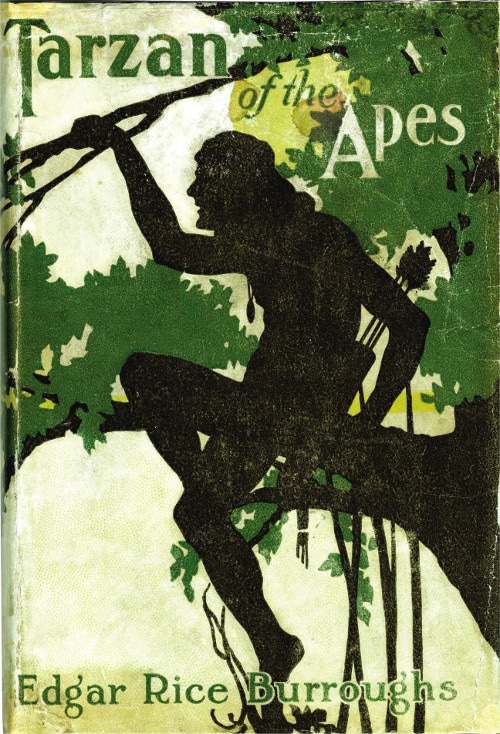
The timeless title character, first introduced here, inspired over twenty sequels and several feature films. Raised by gorillas, Tarzan seeks out the truth of his origins and finds himself at odds with the gorilla king that murdered his father. In Tarzan, Edgar Rice Burroughs well captures the wild longings and primal abilities typically hidden underneath the trappings of civilization.
Thus Spoke Zarathustra by Friedrich Nietzsche
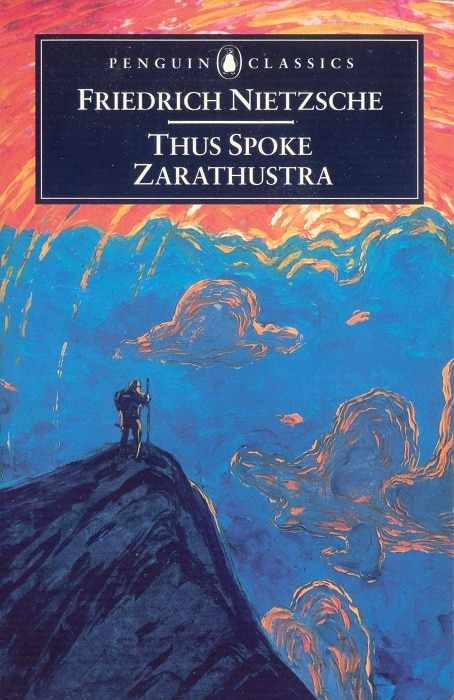
God is dead. The Übermensch. Eternal recurrence. Will to power. Many of Friedrich Nietzsche’s most well-known and controversial ideas are explored in this philosophical novel that follows a fictional wandering prophet named Zarathustra (named after the founder of Zoroastrianism). Through Zarathustra, Nietzsche attacks modern philosophy and morality and provides a philosophical framework for approaching life in a post-religious world. Whether you’re a believer or non-believer, if you want to understand today’s cultural milieu, this is a must-read.
The Federalist Papers
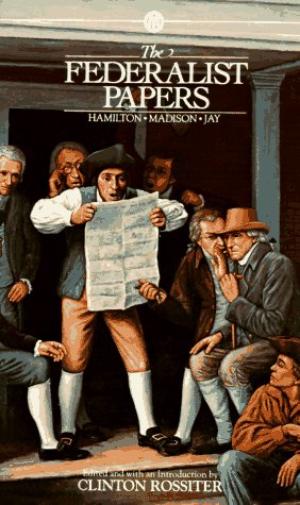
Composed of 85 articles, The Federalist Papers served to explain and encourage the ratification of the U.S. Constitution. The majority of the essays were penned by Alexander Hamilton and originally published in The Independent Journal and The New York Packet. While the Constitution lays out the laws of the land, these essays provide the 18th century version of the ballot/blue books we get the mail around election time, explaining the laws that are being proposed. It is essential reading for any civically minded American (which should be every American!).
The Godfather by Mario Puzo
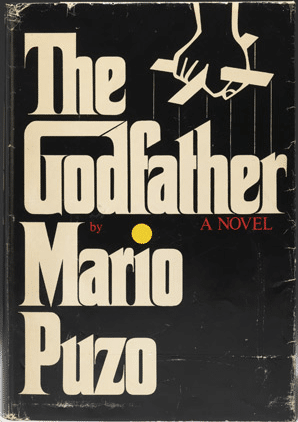
While the famed movies get more acclaim, the book is a masterwork in its own right. Author Mario Puzo shows us both the good and bad sides of family and community loyalty. While the Corleones obviously do some really bad stuff, they’re a group of guys who are good at being men. They protect their family at all costs, they’re extraordinarily generous to those in their inner circle, and they never stop fighting. Plus, it’s just a darn entertaining read.
Moby Dick by Herman Melville
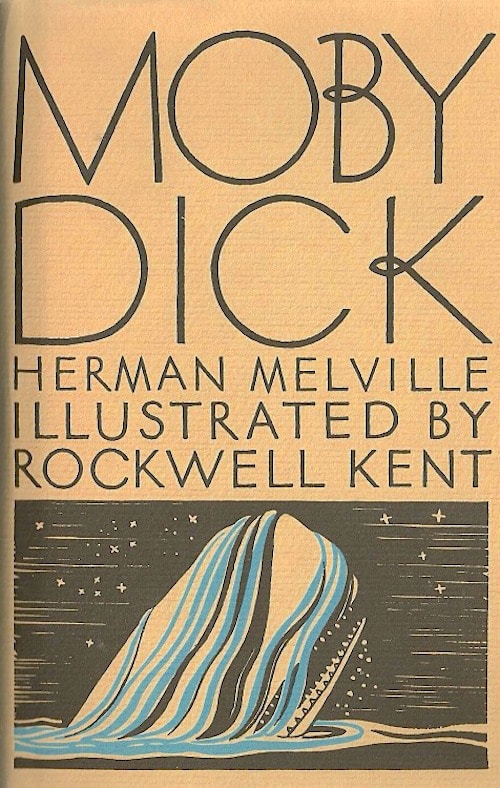
The book that inspired a gazillion white whale metaphors, and really, needs no description. However, here’s a brief one: Moby-Dick is Herman Melville’s 19th century masterpiece concerning whaler Captain Ahab’s insatiable quest to exact revenge on the great white whale that crippled him, as told by Ishmael, a sailor aboard Ahab’s ship. Also, it’s inspired by a true story, which makes it even more awesome. Be sure to listen to our podcast with Melville expert Mark Cirino.
Frankenstein by Mary Shelley
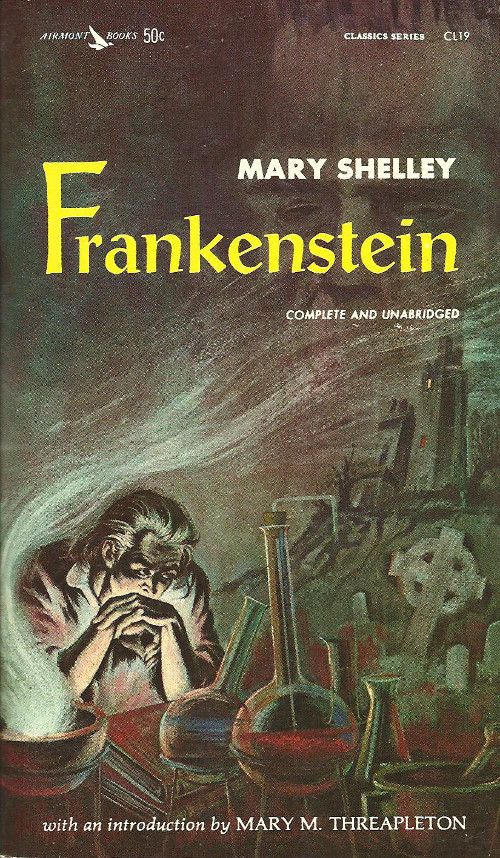
This short, but ever-popular tale is a young woman’s take on humanity and horror. Mary Shelley was just 21 when Frankenstein was first published in 1818, and the book is widely regarded as the first popular science fiction/horror novel. While you surely know the monster and the story of mad scientist Victor Frankenstein bringing him to life, it’s a much darker and more philosophical book than what pop culture has made it out to be. You learn about science, ego, pride, and ultimately, what it means to be human.
Hamlet by William Shakespeare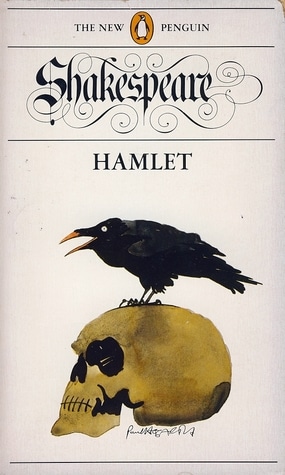
Every man needs to read some Shakespeare during his lifetime. Hamlet is a great place to start. You know the line: “to be or not to be,” but do you know the context and real meaning behind it? Doubtful. The CliffsNotes intro to the story: Prince Hamlet is summoned home from school to attend his father’s funeral, and is shocked to learn his mother already remarried. The queen has wed Hamlet’s Uncle Claudius, his father’s brother. And worse, Claudius has crowned himself king despite the fact that Hamlet was meant to be the heir to the throne. Hamlet suspects foul play. *Cue dramatic music.*
A Tale of Two Cities by Charles Dickens
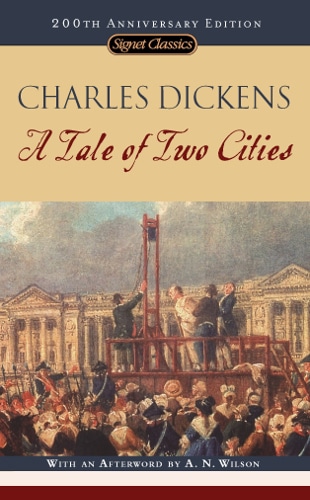
Dickens should be a part of every man’s reading life, and A Tale of Two Cities is a good starter. It’s set in London and Paris during the French Revolution and depicts the plight of the French peasantry, their turn to violence towards the aristocrats who marginalized them, and the parallels to London society during the same period.
Revolutionary Road by Richard Yates
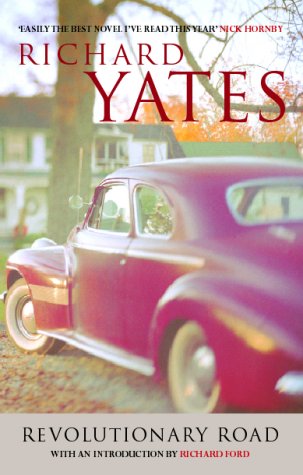
This is the story of a marriage. The Wheelers appear to be a model suburban couple in the 1950s. But did they marry too young? And start a family too soon? Frank’s job is dull and April never saw herself as a housewife. Below the placid surface, both of these self-absorbed partners struggle with desires to escape and to become their true selves, and can’t find happiness with their ordinary lives as they are. Something’s gotta give.
The Divine Comedy by Dante Alighieri
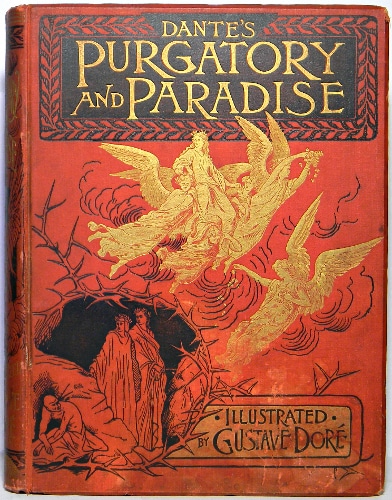
This 14th century epic poem by Dante Alighieri offers a dive into his singular vision of the afterlife. Dante travels through Hell, Purgatory, and Paradise (or Heaven) and gives glimpses of what he sees. Allegorically, it also serves to represent man’s journey to God and the various stages he goes through along that journey. This work is to be read if for nothing else than the cultural literacy of knowing where many of our modern conceptions of heaven and hell arise.
The Boys of Summer by Roger Kahn
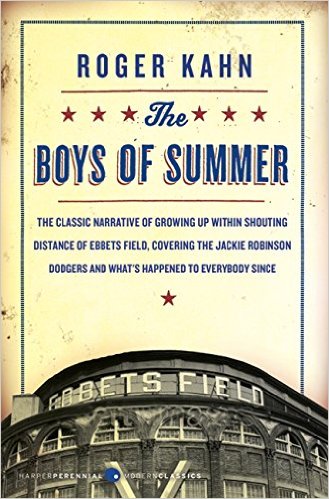
What is a man’s library without some literature on America’s favorite pastime? Dubbed “The finest American book on sports,” The Boys of Summer is an account of the Brooklyn Dodgers leading up to their 1955 World Series title. Kahn’s depiction of some of the game’s greatest legends like Gil Hodges and Duke Snyder is inspiring enough to make a man hope for another shot on the diamond and join up with a local softball crew. Don’t say we didn’t warn you.
A Separate Peace by John Knowles
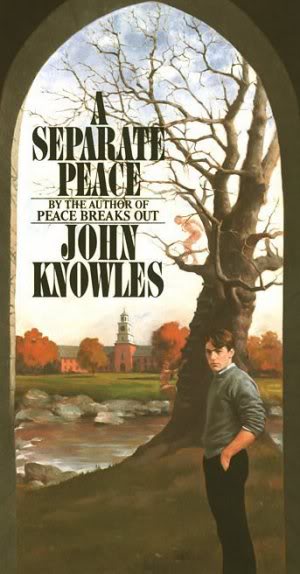
Set at a boys prep school on the eve of World War II, A Separate Peace centers on the friendship of Phineas and Gene. Phineas’ seeming perfection creates a jealously in Gene that results in a tragedy that will forever change both of their lives. A piercing look at both the light and the shadows of friendship and humanity. Every boy wishes he were Finny but knows he’s more like Gene. This book will stick with you no matter your age.
The Stranger by Albert Camus
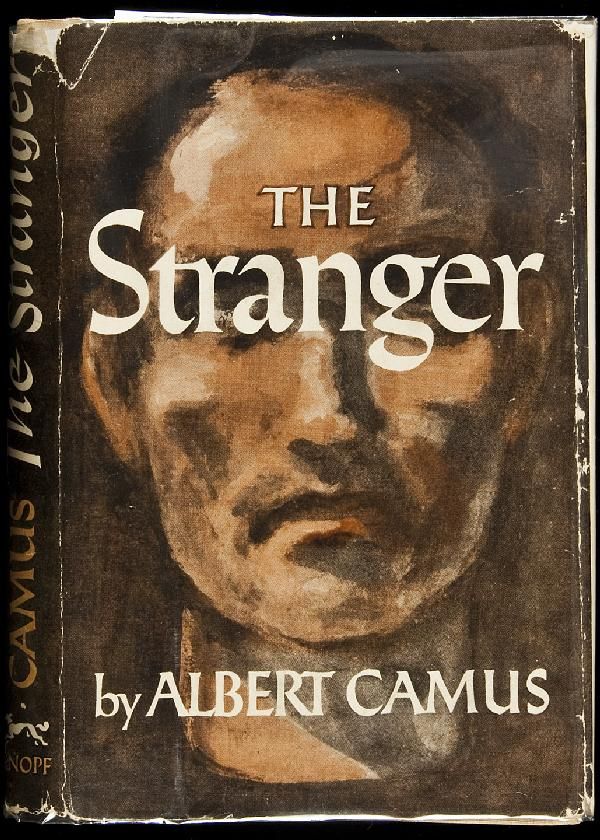
Perhaps the most popular piece of 20th century “existential” literature. Frenchman Meursault attends his mother’s funeral, and through a series of events, becomes drawn into a senseless murder. The Stranger addresses murder and remorse (or lack thereof), God and atheism, destiny and justice, and the absurdity of life. You’ll come away remembering much more than just the plot points.
Robinson Crusoe by Daniel Defoe
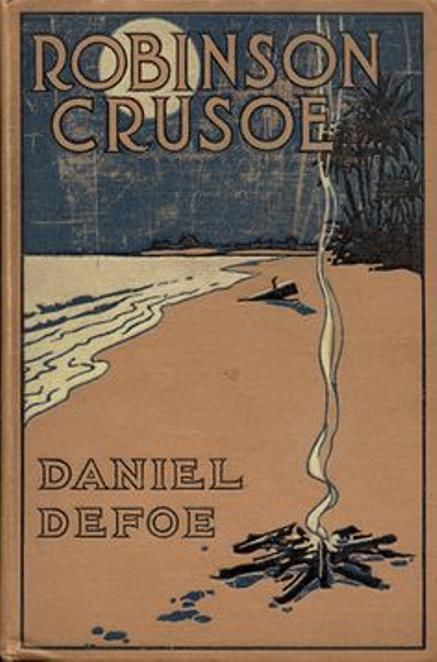
Robinson Crusoe is the “autobiography” of a castaway who spent 30 years on a remote tropical island. He encounters difficult terrain, less-than-friendly natives, and a variety of other obstacles. It was described and written so realistically — the name Robinson Crusoe was even listed as the author — that many people thought it was about actual events rather than being a novel from the mind of Daniel Defoe. Almost 300 years later, it still holds up.
The 7 Habits of Highly Successful People by Stephen Covey
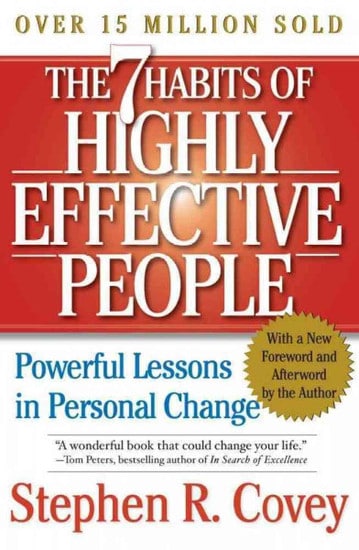
This book has been a bestseller for nearly three decades, and for good reason. It not only explains the importance of living your life with purpose, but also provides tools to help you actually do it. The planning and goal-setting methods laid out in Covey’s most celebrated work have been used by countless world leaders, businessmen, and influential people, as well as millions of ordinary folks whose lives have been changed by implementing the 7 habits. Include the Art of Manliness team among them. Be sure to listen to our podcast with Stephen’s son.
Cannery Row by John Steinbeck
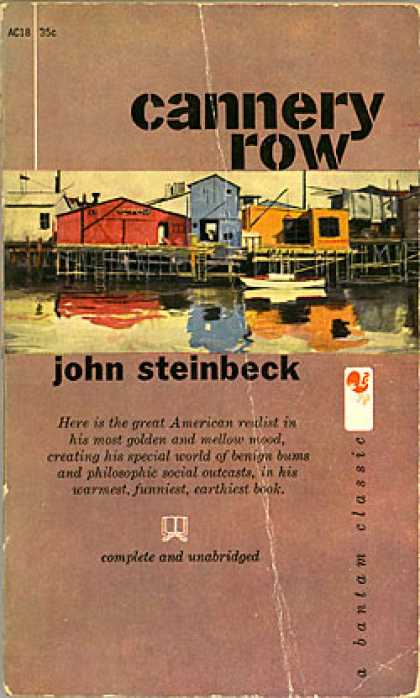
No matter his class or situation in life, a man needs a healthy appreciation for the simple folk who help make the world go round. John Steinbeck’s Cannery Row depicts a cross-section of this community, located on a strip of sardine canneries, in the late Depression era. This area has a life of its own, and is as much a character of the book as any of the community members themselves. The novel not only paints a picture of a difficult time that has passed, but gives honest, timeless insight into the human condition.
Treasure Island by Robert Louis Stevenson
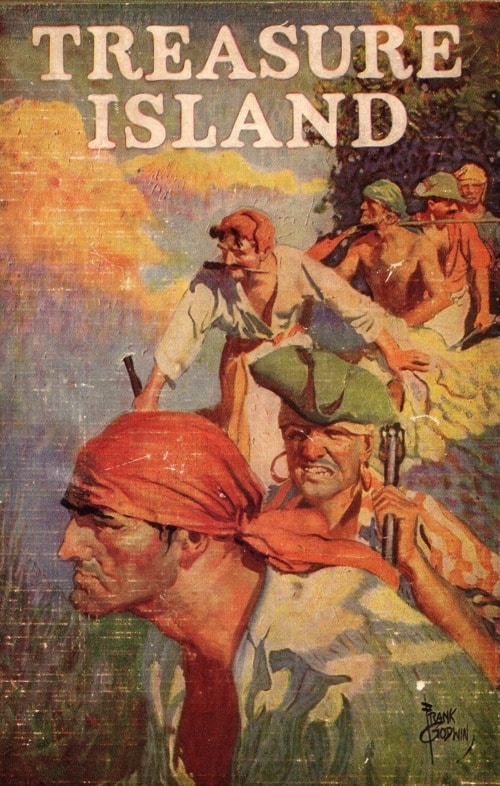
Pretty much everything we think of when we think of pirates comes not from the pages of history but from this book: treasure maps with “X” marking the spot, deserted islands, peg legs, parrots, and more. Published as a children’s tale (and a rather adult one at that), American novelist Henry James praised it as “perfect as a well-played boy’s game.”
A Confederacy of Dunces by John Kennedy Toole
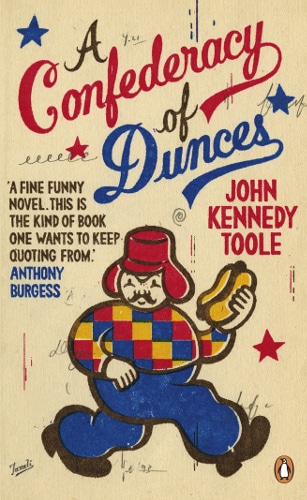
This New Orleans-based novel won author John Kennedy Toole the Pulitzer Prize. Its perfect comedy of errors is centered around the character of Ignatius J. Reilly, a lazy and socially ignorant, but very intelligent man, who still lives with his mother at the age of 30. A Confederacy of Dunces serves as a guide for what a man ought not to be, while providing sound entertainment all the while.
Native Son by Richard Wright
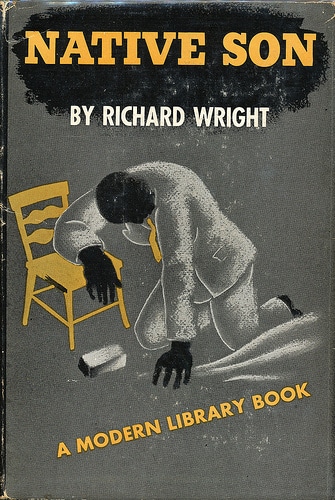
This novel tells the story of 20-year-old Bigger Thomas, a young African-American living in utter poverty in Chicago’s South Side in the 1930s. He, inevitably (as argued by the novel), ends up in jail for a crime he did in fact commit. Was it his character which drove him to it, though, or was it society, by placing him in a certain social stratum? Race, identity, social status, society’s pressures — this novel offers an important read on the black experience.
The Great Railway Bazaar by Paul Theroux
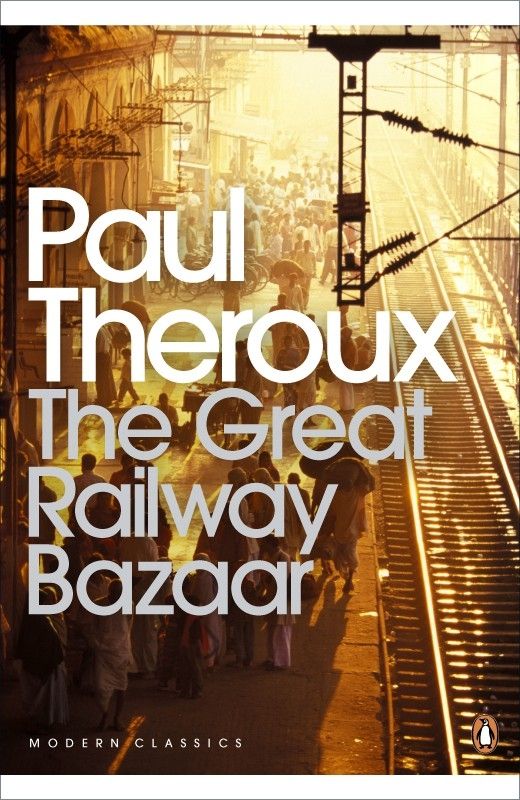
In this travelogue, Paul Theroux recounts his four-month journey through Europe, the Middle East, India, and Southeast Asia on the continent’s fabled trains: the Orient Express, the Golden Arrow to Kuala Lumpur, the Mandalay Express, and the Trans-Siberian Express. His well-documented and entertaining adventures have come to be considered a classic in the travel literature genre. This journal satisfies the vicarious traveler and inspires the adventurous man.
The Last of the Mohicans by James Fenimore Cooper
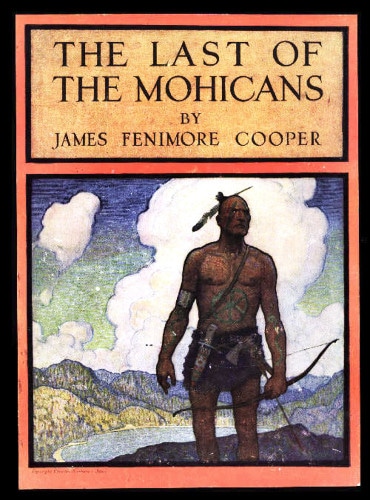
The Last of the Mohicans was the second book in Cooper’s Leatherstocking Tales pentalogy and is set in 1757 during the French and Indian War. The French were particularly dependent on Native Americans for help in the fight. Primarily set in the New York wilderness, a colonel’s two daughters, Alice and Cora, need to be transported to a safe destination. Among the caravan guarding the women are a group of frontiersman and Indians including Chingachgook (the last chief of the Mohicans) and Uncas. The characterization of these protagonists would become an enduring part of the archetypes of frontiersmen and Indians that remain within the popular consciousness today.
The Grapes of Wrath by John Steinbeck
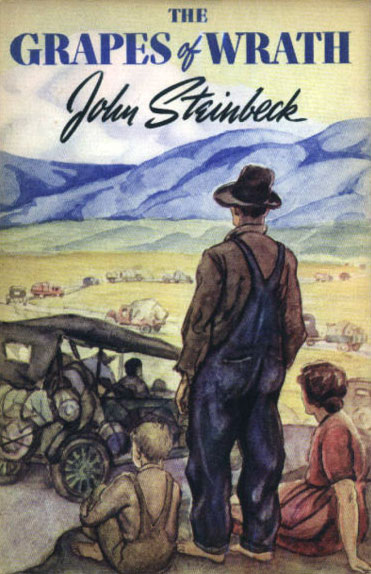
One of the great American novels, The Grapes of Wrath is set in the Dust Bowl-era Midwest. Forced to move, the Joad family drives westward with thousands of other down-on-their-luck Okies in order to try to find a better life for themselves in California. There’s perhaps no better snapshot of this time period of American history than Steinbeck’s masterpiece. Plus, the final scene is one that will stick with you for a long time to come.
Education of a Wandering Man by Louis L’Amour
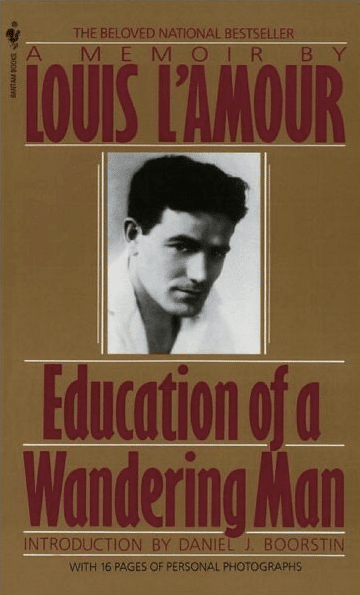
Western writer Louis L’Amour was one of the most prolific authors of all time, cranking out over 100 published works (all of which were still in print when he died in 1988). Education of a Wandering Man is his autobiography, which could also be called a love letter to learning. He left school at age 15 to roam the world. His various experiences include: hobo on the railroads, Texas cattle skinner, seaman in Singapore and the West Indies, itinerant bare-knuckled boxer, and more. Through it all, he taught himself to read and write, and was never far from a book. Inspiring as all get out, L’Amour’s example will have you asking what on Earth you’re doing with all your free time.
To see some of the volumes L’Amour compiled in his 10,000+ book strong personal library, check out this post.
Les Miserables by Victor Hugo
One of the great musicals of all time, Les Miserables was first a great novel. Ex-convict Jean Valjean tries to remake himself after getting out of prison, and seeks revenge on the forces which put him there in the first place. Through a large cast of memorable characters, and the French Revolution in the background, author Victor Hugo takes us on a rolling epic that will likely leave you exhausted — yet hopeful — by the time you’re through.
Man’s Search for Meaning by Viktor Frankl
Viktor Frankl was a psychotherapist and brain surgeon who specialized in treating depression, but being a Jew in Nazi Germany, was sent to Auschwitz. Upon entering the concentration camp, they took the last of his belongings, including his clothes, his wedding ring, and the manuscript of a book he was writing. By leaning on his rich inner life and helping other prisoners, along with some strokes of good luck, he lived to tell his story, which is a lesson about the control one has to make a bad situation not necessarily good, but survivable. It’s sure to put your own suffering in perspective and inspire you to live with greater purpose.
The Outsiders by S. E. Hinton
Published when author S. E. Hinton was just 18 years old, The Outsiders is the story of two rival gangs — the Greasers and the Socs — who are divided by their socioeconomic status. It’s a classic coming-of-age tale, and set the stage for the young adult genre as we know it today. Though the story’s characters are just teenagers, there’s much to be taken from it about family, honor, sacrifice, and class dynamics.
One Hundred Years of Solitude by Gabriel Garcia Marquez
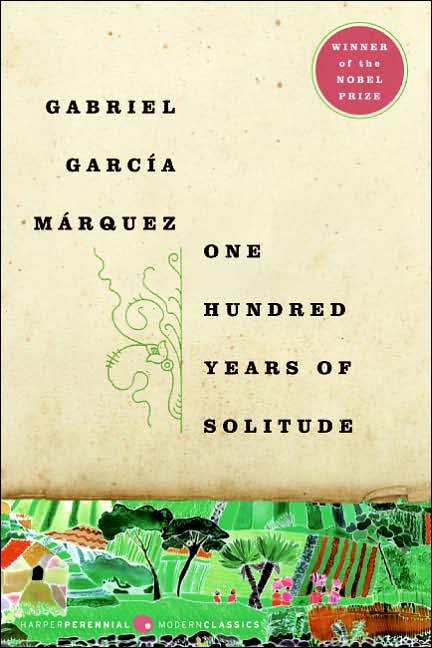
Often called the masterpiece of Spanish literature, One Hundred Years of Solitude is an epic family story which tells the tale of the fall, birth, and death of the town of Macondo. Marquez introduces us to seven generations of Buendias, whose patriarch founded the town. The family is unable to escape their regular misfortunes, though. Is history bound to repeat itself, or can the Buendias free themselves from their family’s history?
Gates of Fire by Stephen Pressfield
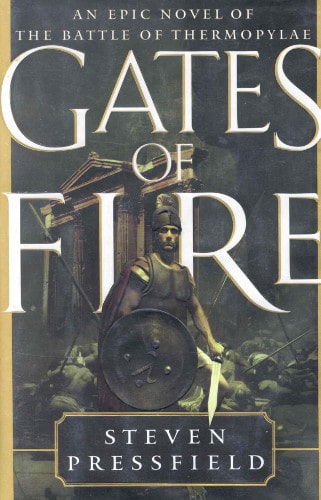
A fictional account of the Spartan 300 and the Battle of Thermopylae, which pitted a few thousand Greek men against at least 100,000 Persians. In Gates of Fire, we see the battle through the eyes of a warrior named Xeones. We learn about Spartan life, training, discipline, battle strategy, courage…and much, much more. Reading it will fill you with manly thumos.
Paradise Lost by John Milton
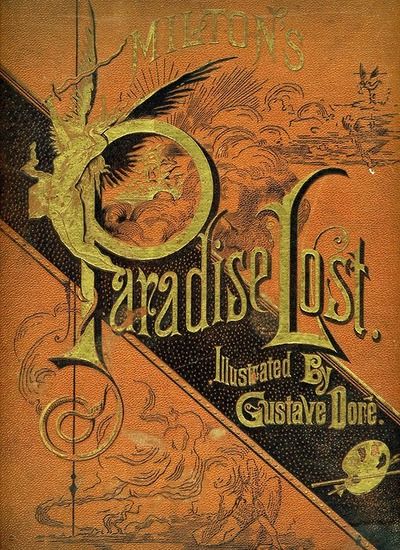
Paradise Lost is an epic poem which tells the Biblical story of the Fall of Man in verse: the temptation of Adam and Eve, the role of Satan, and their banishment from the Garden of Eden. Rather than just re-telling what’s in the Bible though, author John Milton explores and imagines the possible backstory. What was going on behind the scenes in the heavenly realm, how did Adam and Eve react to their sin, what did they feel upon being banned from the the garden? From paradise?
Fahrenheit 451 by Ray Bradbury
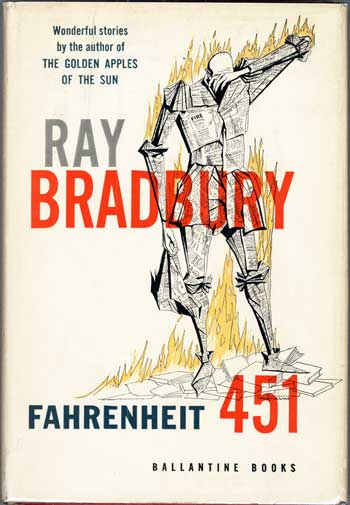
Author Ray Bradbury brings readers to a dystopian future in which books are banned, and firemen are charged with destroying any they find. Fireman Guy Montag is our main character, and every day he’s tasked with setting printed literature aflame. At the end of the day, he returns to his home and family, where the TV is central to their bland existence. Even in the 1950s, Bradbury was concerned about the effect that television and other forms of mass media would have on humanity’s relationship to books and literature. Relevant still? You bet your bottom it is.
Oil! by Upton Sinclair
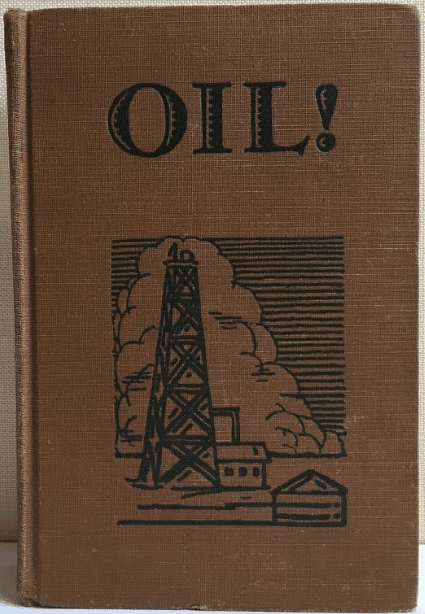
Upton Sinclair’s novel of the 1920s oil industry should be read if for no other reason than that it served as the inspiration for one of the greatest movies of this century, There Will Be Blood. The book is told through the eyes of Bunny, an oil tycoon’s son. His sympathies towards oil field workers and socialist leanings create a lot of discord with dear old dad. What Sinclair’s The Jungle did for the meatpacking industry, this book did for oil.
Fear and Trembling by Soren Kierkegaard
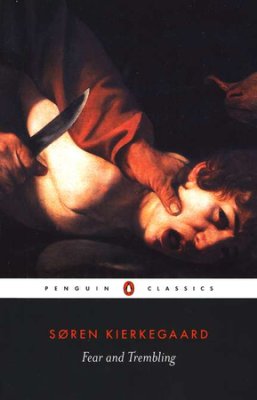
Philosopher Soren Kierkegaard creates a case study from the (in)famous Bible story of Abraham being commanded by God to sacrifice his son Isaac. He uses the story as an opportunity to question philosophy’s relationship to religion, along with the nature of God, faith’s relationship with ethics and morality, and the difficulty of being authentically religious. It asks the big questions that every man should wrestle with throughout life.
The Code of Man by Waller Newell
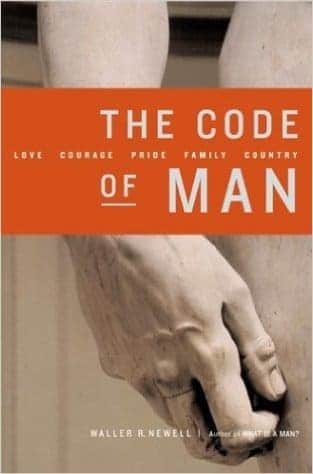
What does it mean to be a man, not just biologically, but philosophically? Waller Newell lays out one of the most compelling answers to the question of how a man should live in this book. He argues that many modern men have lost touch with the values and virtues that defined manliness for thousands of years, and consequently feel lost, confused, and angry. Newell believes that the road to recovery is taken along the five paths to manliness: love, courage, pride, family, and country. Using Western writers and thinkers like Aristotle and Hemingway, among others, Newell offers important guidance on the path to achieving a “manly heart.” Be sure to listen to my two podcasts with Mr. Newell, “The Code of Man” and “The Classical Code of Manhood.”
Heart of Darkness by Joseph Conrad
Joseph Conrad’s novella is the story of a man named Marlow traveling up the Congo River in the heart of Africa. In telling the tale, Conrad compares the “savages” of Africa to the so-called “civilized” people of London. Is there really much difference? Themes of race, barbarism, colonialism, and first-world society are central.
Meditations by Marcus Aurelius
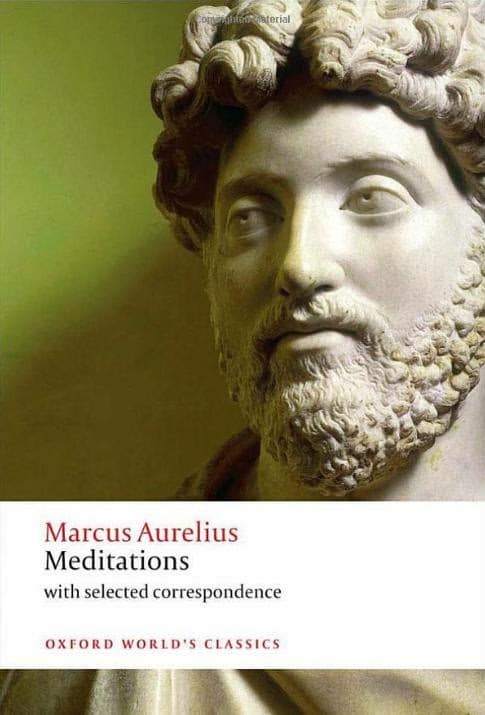
Ryan Holiday’s description of the Meditations in his list of 36 books every young and ambitious man should read, can’t much be improved upon: “I would call this the greatest book ever written. It is the definitive text on self-discipline, personal ethics, humility, self-actualization, and strength. Bill Clinton reads it every year, and so have countless other leaders, statesmen, and soldiers. It is a book written by one of the most powerful men who ever lived on the lessons that power, responsibility, and philosophy teach us. This book will make you a better person and better able to manage the success you desire.”
The Hobbit & The Lord of the Rings by J.R.R. Tolkien
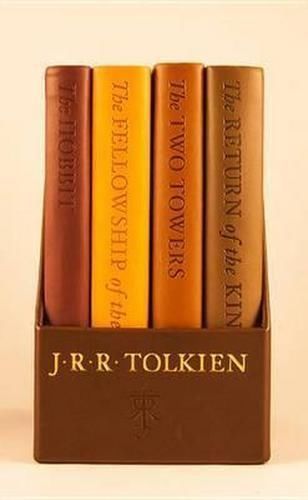
These four books are making the list as one, because they’re really a single, epic story. You’ve no doubt seen the movies, which are great, but the books are even better. Follow Frodo Baggins and his trustworthy friend Samwise Gamgee and learn about friendship, loyalty, dedication to a good cause, and many other manly virtues. You’ll also find one of the wisest characters in literature in Gandalf. J.R.R. Tolkien had one of the greatest imaginations in the history of literature and created an entire universe, complete with new languages, maps of various lands, and even histories of how these lands came to be. No other author has come close to the world-making capabilities of Tolkien, which alone makes the series worth reading.
With the Old Breed by Eugene Sledge
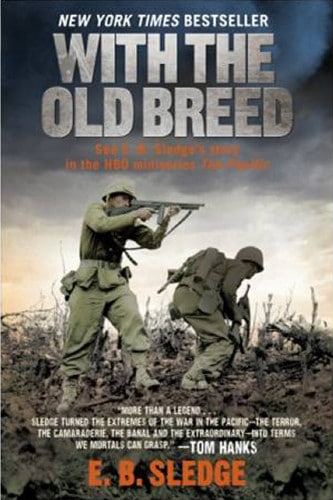
You may think you understand the gritty nature of the Pacific War, but until you read With the Old Breed, you can’t fully grasp its horrors. With rich and haunting prose, Sledge takes you right into the battles of Peleliu and Okinawa and allows you to experience the sights, sounds, and smells of the nightmarish scenes on a very visceral level. This is surely one of the best books on war, period, and is a must-read for every American who wants to fully understand the sacrifices their forebearers made for them.
Self-Control: Its Kingship and Majesty by William George Jordan
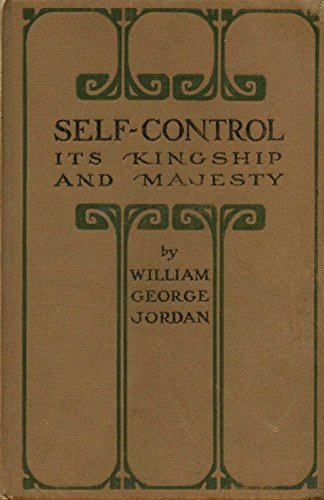
Vintage self-help books > modern self-help books. In contrast to the self-help books of today, which are often filled with flattering, empty, cliche platitudes, older self-help books are direct, masterfully written, and full of profound and challenging insights that center on the development of good character. Amongst the many worthy authors of self-help’s golden age, one author stands supreme: William George Jordan. His Self-Control: Its Kingship and Majesty has been the source of many of our most popular manvotionals and is full of beautifully written wisdom on self-reliance, calmness, gratitude, and more.
Jordan wrote several other fantastic books, and if you’d like to read a selection of his very best essays, check out this anthology of his work which we created.
Love reading? Be sure to listen to our podcast with Jim Mustich about the 1,000 books he thinks you should read before you die:
Click here to download a PDF list of the 100 books every man should read.