Following up on our recent look into the world of fictional adventure literature, we now turn to the true life tales of exploration, adventure, and survival against all odds that have inspired countless readers for generations. Unlike their fictional counterparts, these riveting tales of conquests and ill fated journeys are completely true, and stand as a testament to man’s unquenchable desire to seek out the unknown, often against all odds and in the face of unbelievable hardship.
This is not considered a complete list of all the great tales of true life adventure, so please take advantage of the comments section to share what other true life tales of adventure you recommend to your fellow men.
And now, to continue on in the world of high adventure…
Through the Brazilian Wilderness by Theodore Roosevelt
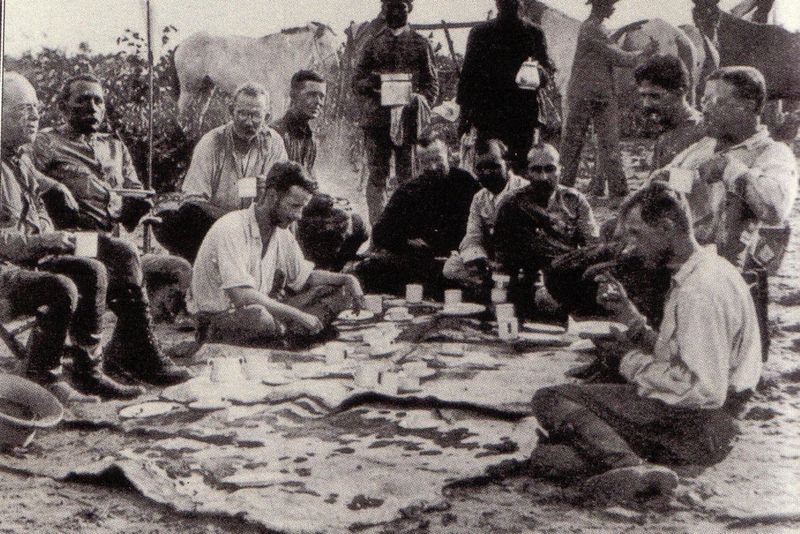
In this astonishing tale of adventure and survival Roosevelt details his participation in the 1913-1914 Roosevelt-Rondon Scientific Expedition, undertaken a year after his failed bid for reelection. The team set out to find the headwaters of the River of Doubt then paddle the river to the Amazon. What was originally intended to be “zoogeographic reconnaissance” soon turned into a tale of survival, with turbulent whitewater and peril around every bend of the river, so much so that it nearly took the life of the “Bull Moose” himself.
South: The Endurance Expeditionby Ernest Shackleton
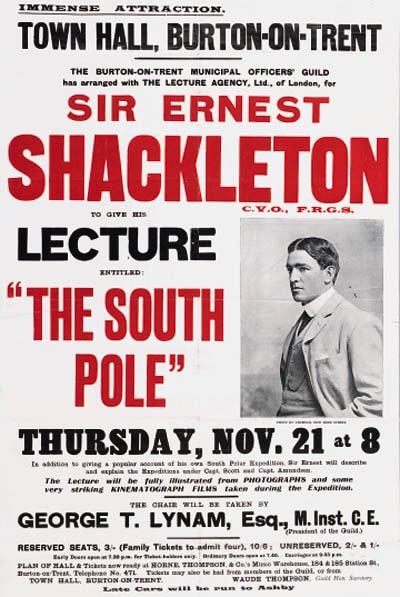
Legendary Antarctic explorer Ernest Shackleton details his own efforts to cross the Antarctic by sled. Adventure tale turns survival story when Shackleton’s ship, Endurance, becomes trapped in the ice, where it would remain for ten months before the hull finally surrendered to the strength of the ice, forcing the men to set out on foot for a distant whaling station.
Into Thin Air: A Personal Account of the Mt. Everest Disaster by Jon Krakauer
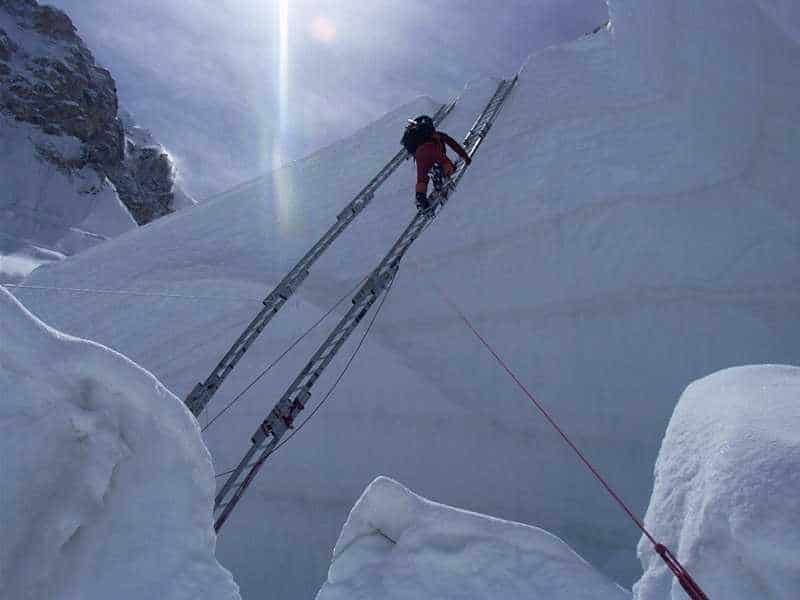
Photograph courtesy of Olaf Rieck
A chilling account of the 1996 Mount Everest disaster as told by John Krakauer, author of Into the Wild, who witnessed the tragedy unfold firsthand. The onset of a powerful storm just as multiple teams attempt to summit Everest leads to devastating results, and those on the mountain are pushed to the brink of their endurance to make it out alive.
Into the Wild by Jon Krakauer

The tragic yet inspirational tale of Christopher McCandless, a young college graduate who abandoned a promising future in exchange for a life on the road. Hitchhiking across North America, McCandless eventually reaches his final destination, Alaska, where he aims to survive on his own in the wilderness. Krakauer follows McCandless’s philosophical journey full circle, from rebellious twenty-something who just wants to escape society to man who is fighting for his life and realizes that a life without the company of others is not complete.
“Two years he walks the earth. No phone, no pool, no pets, no cigarettes. Ultimate freedom. An extremist. An aesthetic voyager whose home is the road. Escaped from Atlanta. Thou shalt not return, ’cause “the West is the best.” And now after two rambling years comes the final and greatest adventure. The climactic battle to kill the false being within and victoriously conclude the spiritual pilgrimage. Ten days and nights of freight trains and hitchhiking bring him to the Great White North. No longer to be poisoned by civilization he flees, and walks alone upon the land to become lost in the wild.”
Wind, Sand, and Stars by Antoine de Saint-Exupery
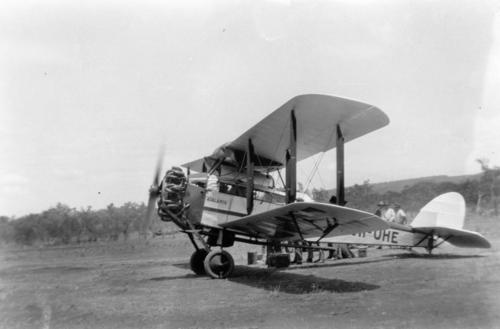
Antoine de Saint-Exupery, a French pilot better known for his work The Little Prince, was equal parts adventurer and literary giant. His poetic musings on the life well lived, combined with his recounting of various calamities he and others faced while flying the mail over the Sahara and the Andes mountains, makes this one adventure book no man should be without.
“Nobody grasped you by the shoulder while there was still time. Now the clay of which you were shaped has dried and hardened, and naught in you will ever awaken the sleeping musician, the poet, the astronomer that possibly inhabited you in the beginning.”
The Journals of Lewis and Clark by Meriwether Lewis and William Clark
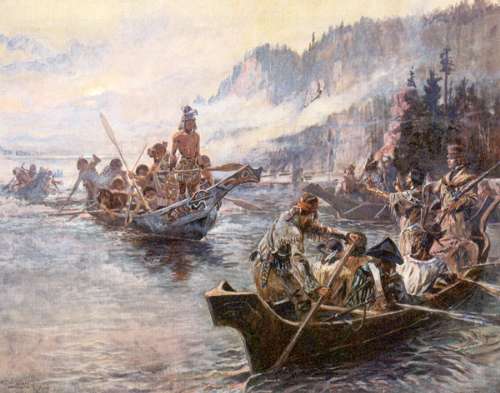
The report of the first expedition to travel west to the Pacific and return safely, as recorded by the famous expedition leaders. Follow along in this classic account as new species, new peoples, and new worlds are discovered.
Undaunted Courage by Stephen Ambrose
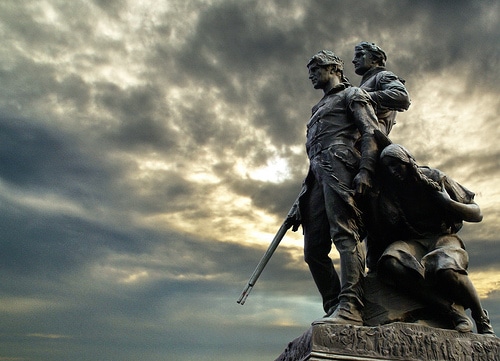
Stephen Ambrose, better known as author of the bestseller turned miniseries Band of Brothers, offers an insightful look into the life and adventures of Meriwether Lewis, co-leader of the Corps of Discovery, also known as the Lewis and Clark Expedition.
Farther Than Any Man: The Rise and Fall of Captain James Cook by Martin Dugard
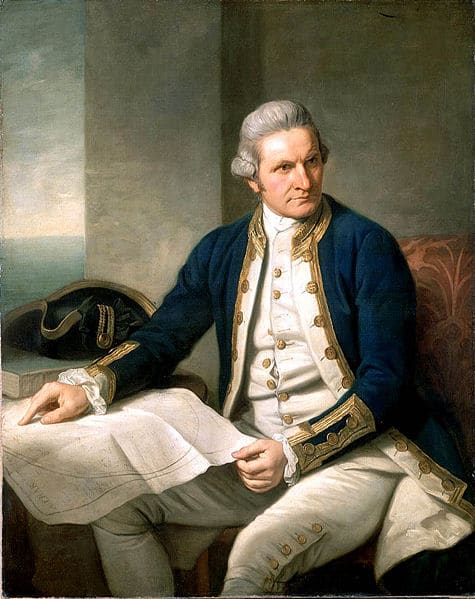
Captain Cook is most famous for his multiple voyages throughout the South Pacific in the late 18th century, where he made first European contact with many island civilizations, including the discovery of Hawaii. In this thrilling retelling of his life and adventures, Dugard examines Cook’s unequalled rise from peasant to sea captain, followed by his tyrannical turn and eventual demise.
Death in the Long Grass by Peter Hathaway Capstick
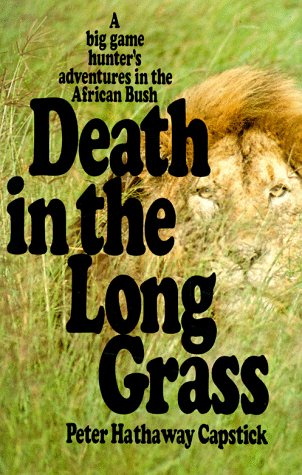
In this, his first book, Capstick shows us why he became a legend in the world of big game hunting. Capstick makes a field of ten foot high grass (and the angry fauna that no doubt reside there) the most terrifying thing on planet earth, but also the most exciting.
“If 12,000 pounds of screaming, screeching, infuriated elephant bearing down on you has somehow rattled your nerves to the point that you miss the six-by-four inch spot on his forehead…then you may as well forget it. The most talented mortuary cosmetician in the world couldn’t rewire you so your own mother would know if you were face up or down.”
The Man Eaters of Tsavo by Colonel Henry Patterson
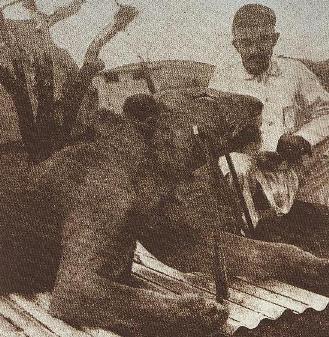
This is the 1907 account by Lieutenant Colonel John Henry Patterson, who was dispatched to Kenya by the British East Africa Company to build a railway bridge over the Tsavo River. During construction, workers were regularly killed by a pair of man-eating lions later known as the Man Eaters of Tsavo, or as the locals called them, the Ghost and the Darkness. Patterson set out to rid the workers of this threat, and the story is thrilling.
The Four Voyages: Being His Own Log-Book, Letters and Dispatches with Connecting Narratives by Christopher Columbus
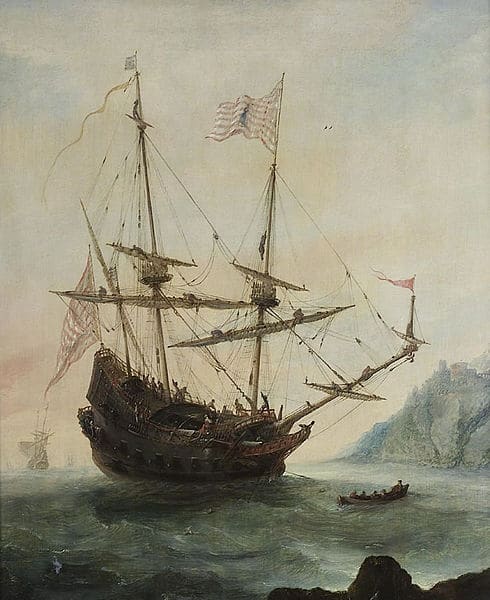
What type of man was Christopher Columbus? Eccentric? A madman? The greatest explorer that ever lived? Draw your own conclusions through an examination of the journals of Columbus himself, where he chronicles the build up to the initial 1492 journey and all the expeditions that followed.
“I should not proceed by land to the East, as is customary, but by a Westerly route, in which direction we have hitherto no certain evidence that any one has gone.”
Arabian Sands by Wilfred Thesiger

Cultural explorer Wilfred Thesiger went to the wild deserts of the Middle East to seek out respite from the oppression of society. While there he became the first man to cross the Rub’ al Khali, aka “The Empty Quarter.” The Empty Quarter is one of the largest sand deserts in the world. Compromising a large portion of the southern half of the Arabian Peninsula, it is composed of 250,000 square miles of the most deadly terrain on terra firma. Thesiger set out to cross this great expanse and planned to create a map of the region during his journey. He succeeded, crossing the vast unknown of the Empty Quarter not once, but twice, between 1946 and 1949.
“For years the Empty Quarter had represented to me the final, unattainable challenge which the desert offered…To others my journey would have little importance. It would produce nothing except a rather inaccurate map which no one was ever likely to use. It was a personal experience, and the reward had been a drink of clean, nearly tasteless water. I was content with that.”
The Exploration of the Colorado River and Its Canyons by John Wesley Powell
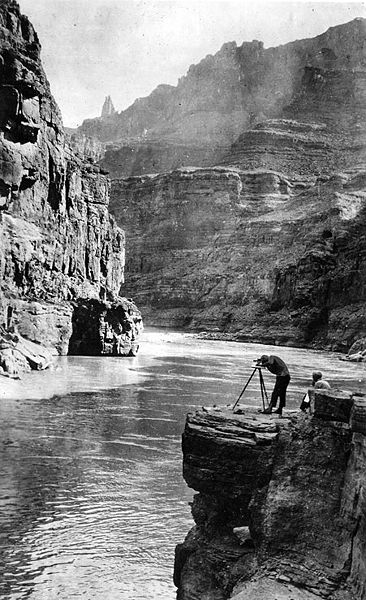
A masterful description of the Colorado River as told by the leader of the first expedition to follow the Colorado through the Grand Canyon. A must for whitewater river rats.
High Adventure by Edmund Hillary
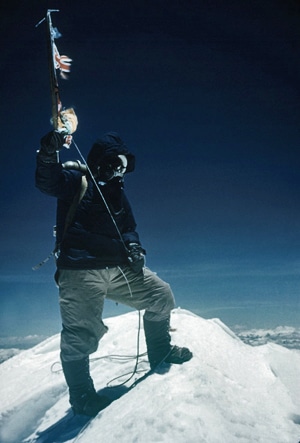
Hillary’s own account of he and Sherpa Tenzing Norgay’s 1953 summit of Mount Everest, the first confirmed Everest summit ever.
“My solar plexus was tight with fear as I ploughed on. Halfway up I stopped, exhausted. I could look down 10,000 feet between my legs, and I have never felt more insecure.”
Endurance: Shackleton’s Incredible Journey by Alfred Lansing
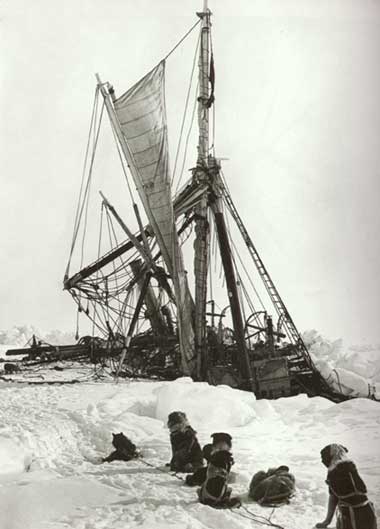
The bestselling account of Shackleton’s legendary Imperial Trans-Antarctic Expedition, which changed from an ambitious expedition to a brutal struggle for survival against the extremes of Antarctica. Lansing’s extensive research into Shackleton’s journals and interviews with surviving crew members provides thrilling insight into the harrowing ordeal faced by the men of the Endurance.
Jungle: A Harrowing True Story of Survival by Yossi Ghinsberg
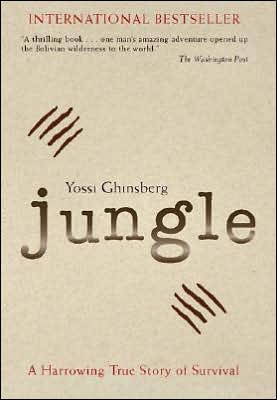
Personalities conflict and wills are tested as an unlikely group of backpackers becomes lost in the wild in this modern day tale of survival set against the backdrop of the Amazon rainforest.
Touching the Void by Joe Simpson
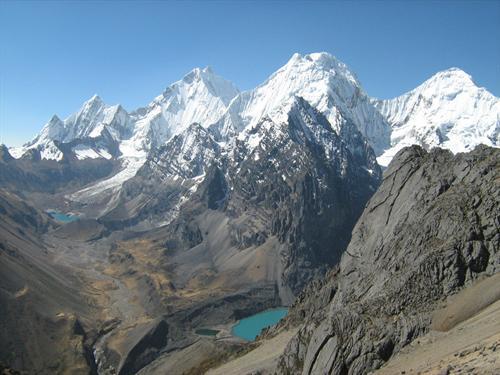
When Joe Simpson and his climbing partner Simon Yates set out to climb the treacherous Siula Grande in the Peruvian Andes, they knew they were undertaking a very dangerous task. When an accident sends Joe crashing into a ravine, Simon assumes his death and is forced to continue on without him. Left alone and critically injured, Simpson proceeds to crawl down the glacier, arriving barely alive at his base camp 3 ½ days later. An astonishing tale of one man’s will to survive.
Into the Heart of the Sea by Nathaniel Philbrick
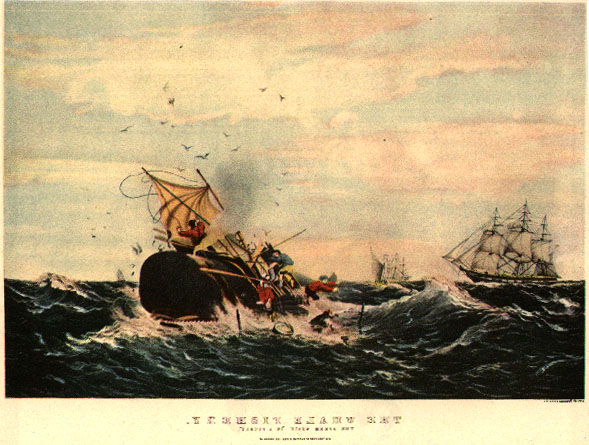
Hailed as the story that inspired Herman Melville’s Moby-Dick, this sea story recounts the experiences of the Whaleship Essex, which was attacked and sunk by an irate sperm whale in 1820. Following the attack, some of the crew escape to a local island where they are slowly ravaged by hunger and disease, eventually resorting to cannibalism to survive.
Alive by Piers Paul Read
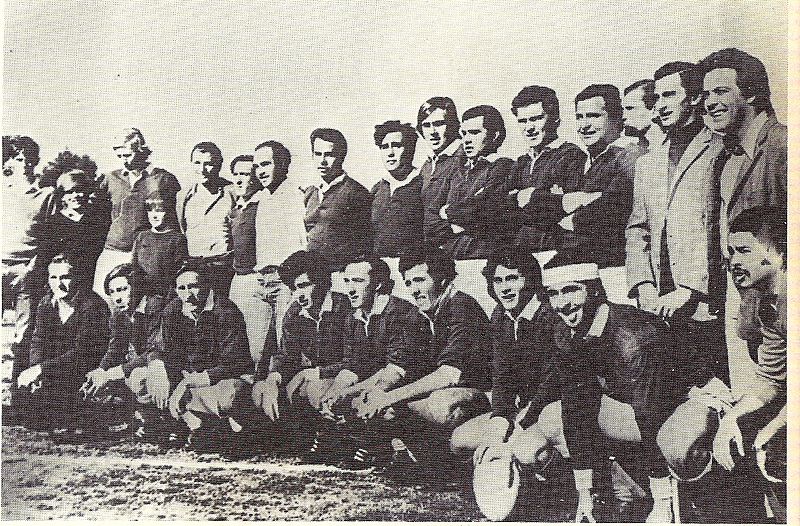
The dreadful account of Uruguayan Air Force Flight 571, which crashed in the Andes Mountains carrying a Uruguayan Rugby team and friends. Alone for seventy two days with no other resources available, the survivors found themselves forced into eating their own dead to survive.
Skeletons on the Zahara by Dean King

Dean King’s reexamination of the 1815 wreck of the Commerce off the coast of Africa and the unbelievable hardships faced by crew as they struggled to survive in the deadly Sahara Desert is one of the greatest survival stories ever told. Keep a tall glass of water next to you while reading, you’ll never appreciate it more.
Over the Edge of the World: Magellan’s Terrifying Circumnavigation of the Globe by Laurence Bergreen
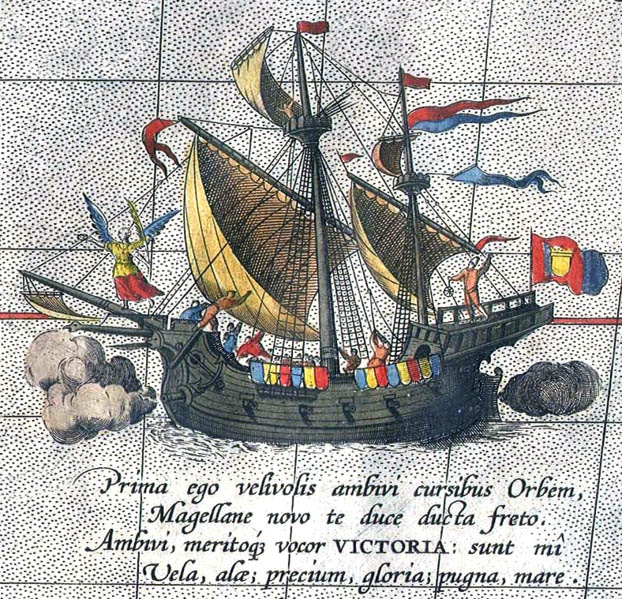
A fascinating account of Ferdinand Magellan’s life, most notably his groundbreaking circumnavigation of the globe. Bergreen makes even the details of trip preparation and basic elements of life at sea into page turning events in this excellent historical narrative.
The Lost City of Z: A Tale of Deadly Obsession in the Amazon by David Grann
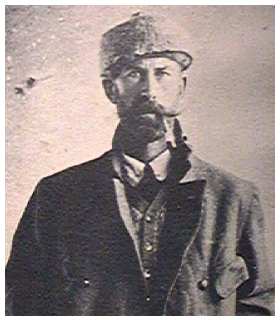
The search for The Lost City of Z, a mythical city supposedly hidden deep in the Amazon, has drawn adventurers and treasure hunters alike for centuries. Follow the author as he attempts to solve the mystery of the fate of Colonel Percy Fawcett, original seeker of Z, providing insight into Fawcett’s life and adventures along the way.
Adrift: Seventy Six Days Lost At Sea by Steven Callahan
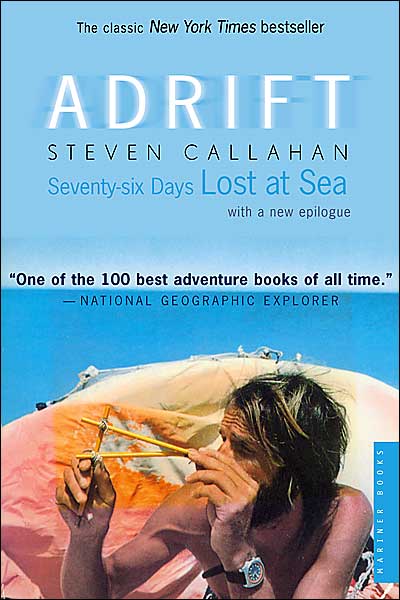
Following the sinking of his boat during a transatlantic sailing race, Callahan found himself lost at sea with only rudimentary equipment and a life raft. Fighting weather, exposure, and shark attacks, he managed to survive seventy six days before being rescued.
The Marsh Arabs by Wilfred Thesiger
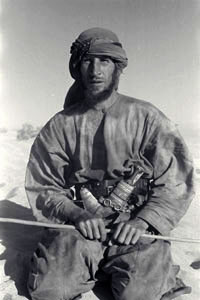
Explorer Wilfred Thesiger takes a turn at travel writing with The Marsh Arabs, in which he recounts his time spent among the indigenous Madan culture of southern Iraq during his Arabian adventures.
Kon-Tiki by Thor Heyerdahl
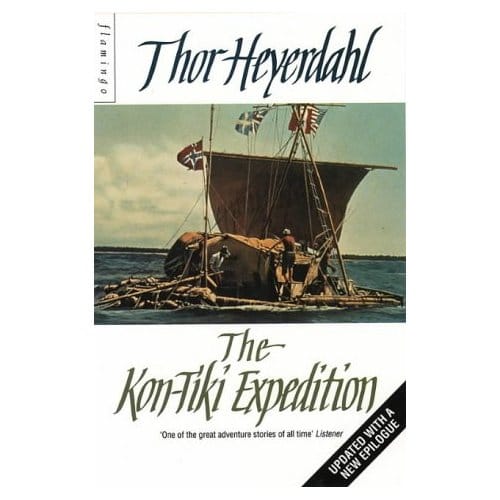
Set to sea with Thor Heyerdahl as he sets out to confirm his hypothesis that the Polynesian Islands were settled by Peruvian seaman who travelled in balsam wood rafts across the Pacific. In order to prove his theory, Heyerdahl built his own balsam wood raft and set sail from South America. 101 days later, he arrived at is destination.
The Perfect Storm by Sebastian Junger
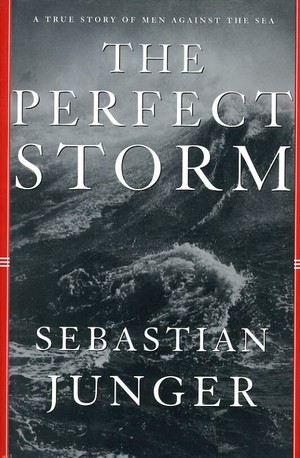
The tragic true account of the swordfishing boat the Andrea Gail, which was lost at sea during the 1991 Halloween Nor’easter. Sebastian Junger offers a glimpse into the life of a Gloucester fisherman and the dangers that accompany a life at sea.
In Harm’s Way: The Sinking of the U.S.S. Indianapolis and the Extraordinary Story of Its Survivors by Doug Stanton
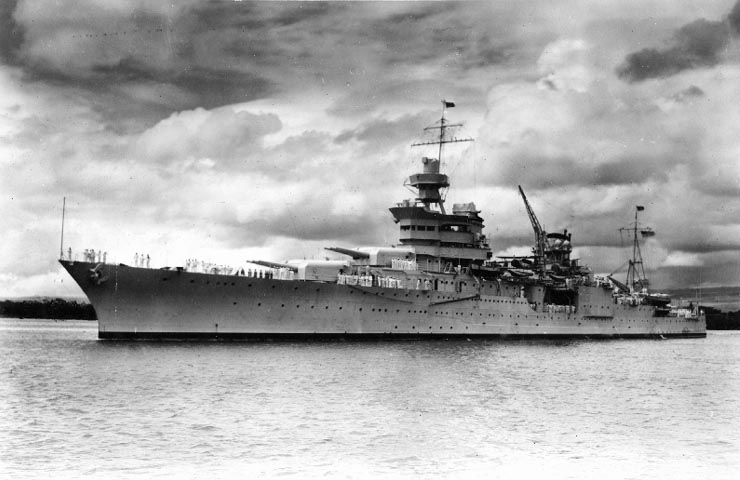
Following the sinking of the U.S.S. Indianapolis by a Japanese submarine in July 1945, the surviving crew found themselves floating alone in the Pacific, many without so much as a lifejacket. For four days the crew stayed huddled together, fighting off shark attacks the entire time, before being rescued. Of the 880 sailors who survived the initial sinking, 317 were pulled from the water alive.
The Worst Journey in the World by Apsley Cherry-Garrard
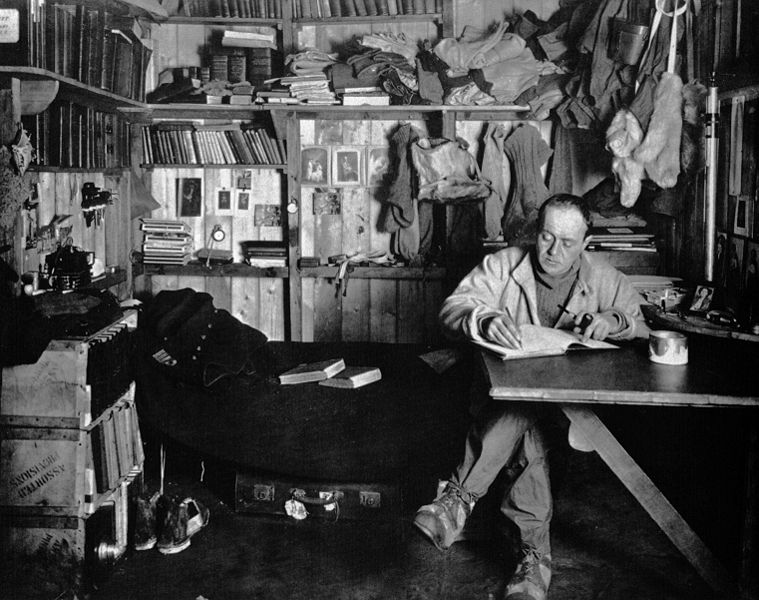
This masterpiece of adventure literature, written by a survivor of the doomed 1910-1913 British Antarctic Expedition, details the events leading up to the expedition and the tragedies that befell expedition leader Robert F. Scott and his men while travelling on foot across the great southern continent.
“Polar exploration is at once the cleanest and most isolated way of having a bad time which has been devised.”
High Exposure: An Enduring Passion for Everest and Unforgiving Places by David Breashears
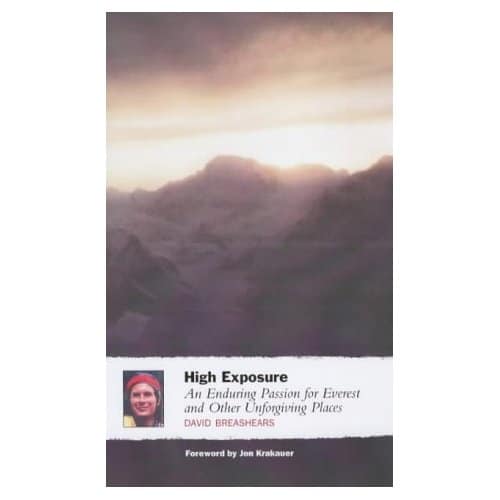
As an accomplished mountaineer and documentary filmmaker known best for the IMAX film Everest, David Breashears is no stranger to adventure of the highest order. In this, his autobiography, he takes us from one brush with death to another on some of the world’s most impossible peaks and offers a unique insight into the life of a professional mountaineer.
The Travels of Marco Polo by Marco Polo
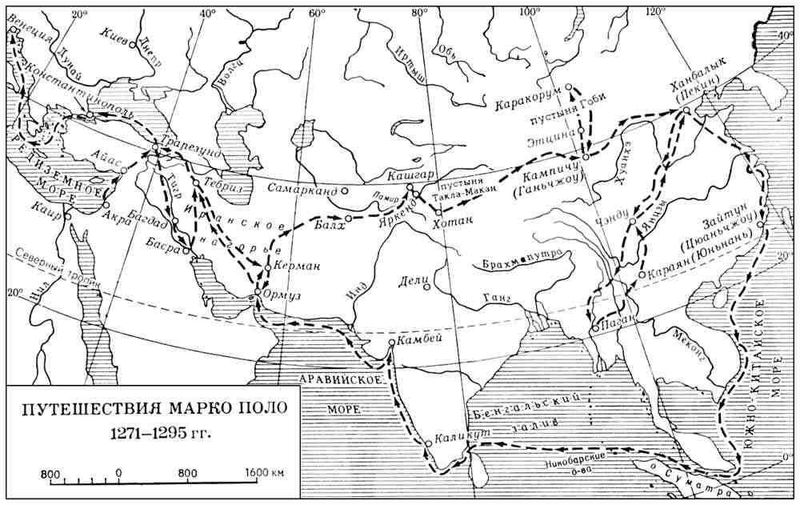
A cornerstone of travel literature, this work by the famous 13th century explorer inspired generations of explorers. Most notable among them was Christopher Columbus, whose desire to find a western route to the Far East was inspired by Polo’s account of the culture and resources there.
Annapurna by Maurice Herzog
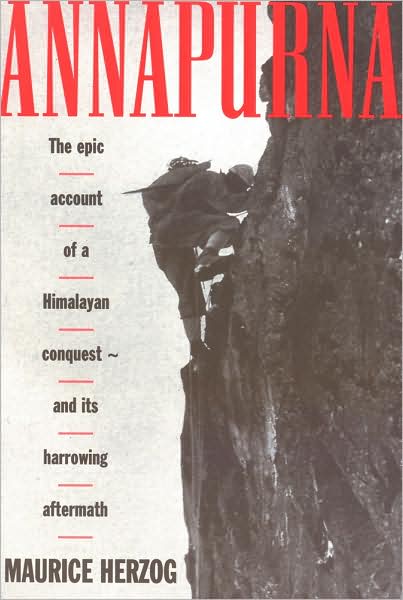
Herzog’s account of the first summit of Annapurna, a 26,200 ft mountain in the Himalayas. As expedition leader, Herzog and his team not only had to reach the summit but had to create a climbing route, as the mountain was almost completely uncharted. A classic of the mountaineering genre.
Between a Rock and a Hard Place By Aron Ralston
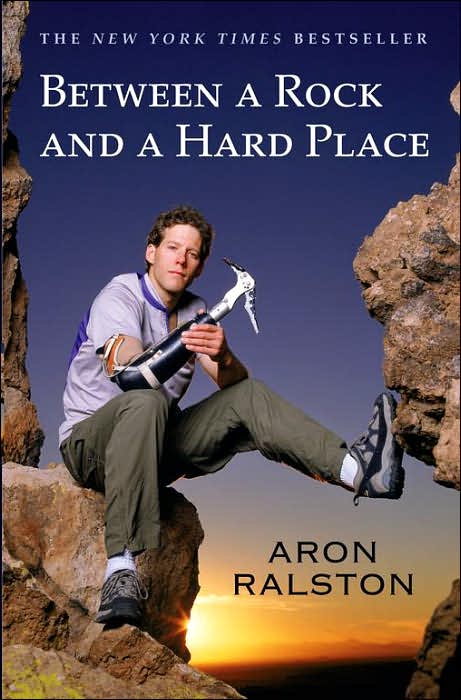
Ralston’s tale is one of pure determination and the will to survive. While climbing in a Utah canyon, a falling boulder wedged Ralston’s arm between the rock and the canyon wall, effectively trapping him. Surviving for six days on virtually nothing, he eventually cuts off his own arm with a pocket knife and makes his escape, which included repelling down a cliff one-armed and a lengthy hike before he found rescue.
K2: The Savage Mountain by Charles S Houston & Robert H. Bates
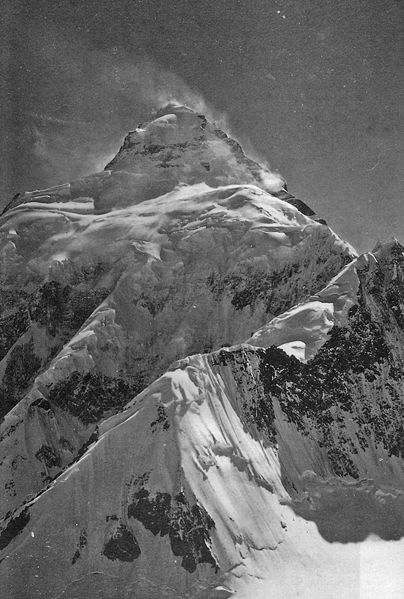
K2, the world’s second highest mountain, has rightfully earned the nickname the savage mountain, with approximately one of every four who attempt a summit dying in the process. This is the story of the first Americans to reach the summit of K2 and successfully return, as told by the mountaineers themselves.
The Darkest Jungle: The True Story of the Darien Expedition and America’s Ill-Fated Race to Connect the Seas by Todd Balf
With less than 100 miles separating Atlantic and Pacific in sections of Panama, one would think that finding a route across would be simple enough. As this book shows, however, many dangers awaited the 1854 U.S. Darien Exploring Expedition, which miserably failed in its task, suffering from disorientation, disease and death before turning back.
The Race for Timbuktu: In Search of Africa’s City of Gold by Frank Kryza
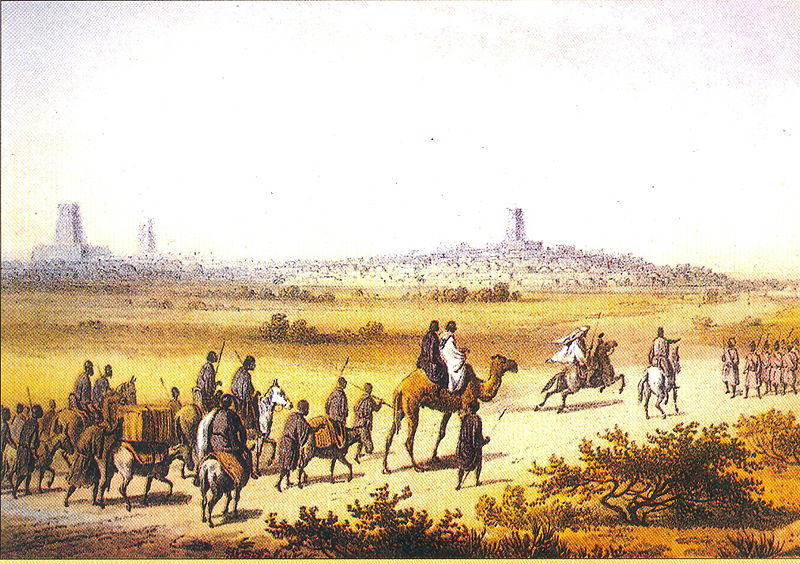
The search for Timbuktu of legend, Africa’s mythical gilded city, drew adventurers and treasure seekers like moths to a flame, and often at their own peril. Here the author gives detailed accounts of the major expeditions in search of Timbuktu, along with the unbearable hardships faced by those who endured them.
Cabeza de Vaca’s Adventures in the Unknown Interior of America by Alvar Nunez Cabeza de Vaca

The tale of the Spanish adventurer Cabeza de Vaca, who led an group across the North American continent long before the days of Lewis and Clark. Travelling over a course of eight years, he crossed much of modern day Texas, New Mexico and Arizona before turning south into Mexico.
True North: Peary, Cook, and the Race to the Pole by Bruce Henderson
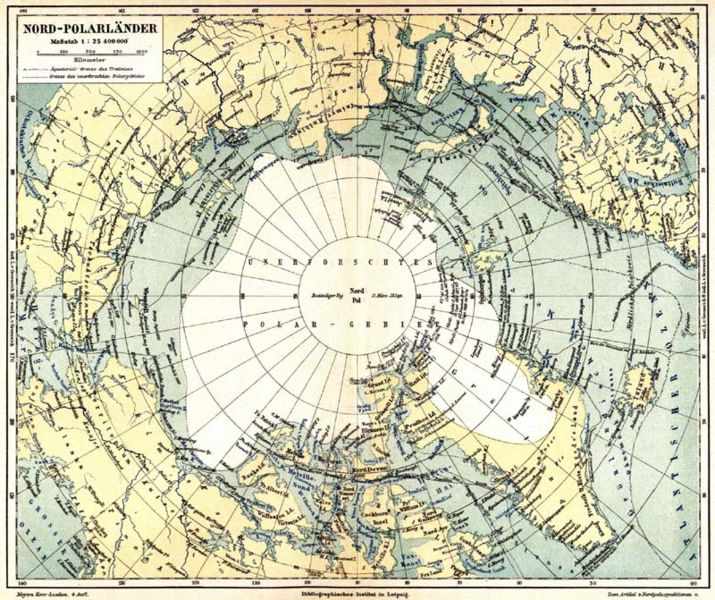
A lively account of turn of the century race to reach the North Pole. Frederick Cook had not been back long from allegedly reaching the North Pole when Robert Peary surfaced, claiming to have beaten him there. So who was the conqueror of the North? In an adventurous retelling of the men’s expeditions, Henderson seeks to settle the debate once and for all.
Touching My Father’s Soul: A Sherpa’s Journey to the Top of Everest by Jamling Tenzing Norgay
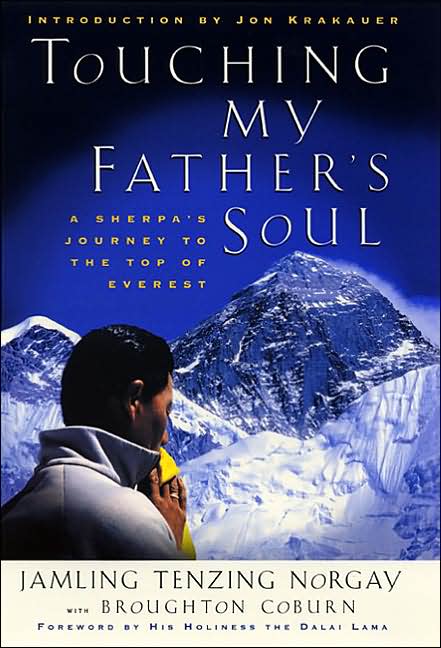
Another account of the 1996 Everest disaster (see Krakauer’s Into Thin Air) as told by the leader of the IMAX expedition on the mountain at the time, Jamling Tenzing Norgay. Norgay, son of the legendary Tenzing Norgay who first conquered Everest with Hillary, offers his own account of the disaster while simultaneously sharing intimate stories of his father’s legendary climbing career.
A Man On the Moon: Voyages of the Apollo Astronauts by Andrew Chaikin
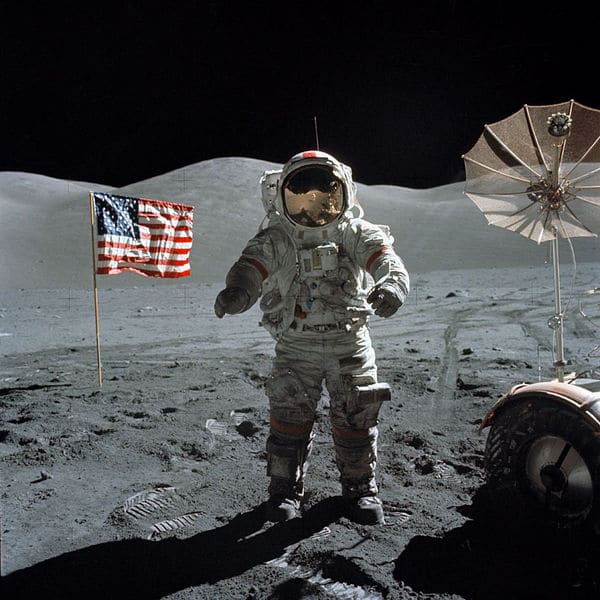
July 20, 1969 will long be hailed as the ultimate testament to mankind’s spirit of exploration. With no more distant lands to explore, man took to the stars, beginning what will be the next stage of exploration and stepping boldly once again into the unknown. Recalling in detail the triumphs and tragedies of the Apollo missions, Chaikin places us right in the command module and rockets us into the heavens alongside the brave men who achieved what most had long considered impossible.
Mawson’s Will: The Greatest Polar Survival Story Ever Written by Lennard Bickel
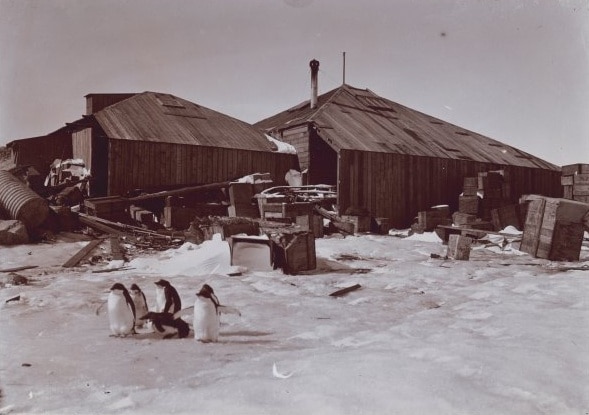
In 1911 Sir Douglas Mawson, setting out with a small team to chart the Antarctic coastline, had little idea that he was embarking on what would become one of the greatest stories of survival in the history of polar exploration. Following the death of his entire team and the loss of most of his equipment, Mawson is left alone to survive in the frozen wilderness and lives to tell the tale.
The Vinland Sagas: The Norse Discovery of America by Anonymous
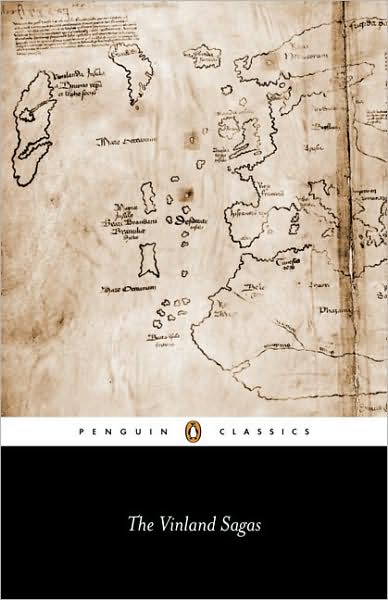
Nothing says adventure like a good Viking sea story. This is an account of the Viking’s chance encounter, and later attempted exploitation, of what is believed to be North America five hundred years before Columbus set sail.
My Life as an Explorer by Sven Hedin
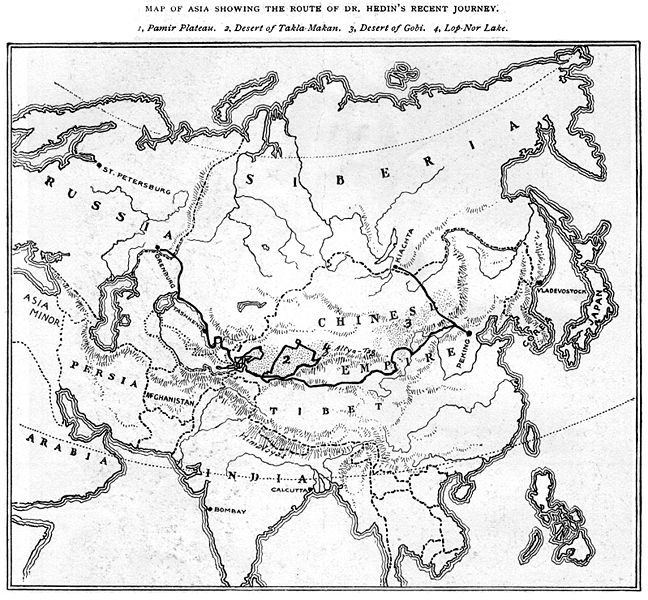
In this vibrant mix of adventure and academia, Swedish geographer Sven Hedin recounts his exploration of much of the uncharted regions of central Asia at the end of the 19th century. Many editions include the author’s own hand drawn maps of the region.
Of Whales and Men by R. B Robertson
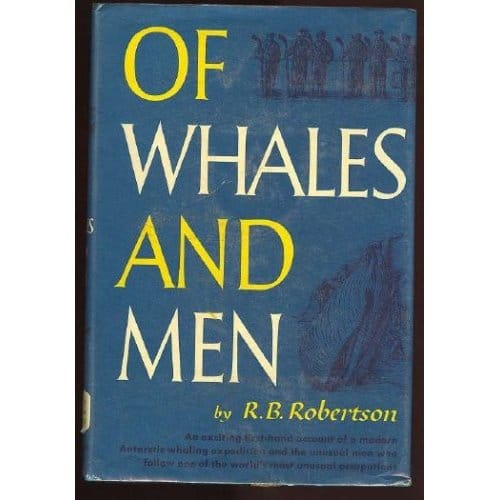
An intimate look into the lives of the men on board the whale ships of the 1950’s; this book offers a glimpse into the hard life at sea in a bygone era.
The Kid Who Climbed Everest by Bear Grylls
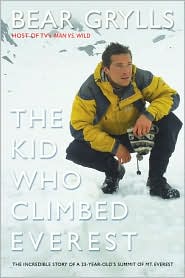
Man vs Wild host Bear Grylls recalls his transition from being bedridden (the result of faulty parachute deployment) to being the youngest Briton to summit Everest. An inspiring tale of determination and adventure, Grylls is as entertaining on the page as he is on the screen.
The Innocents Abroad by Mark Twain
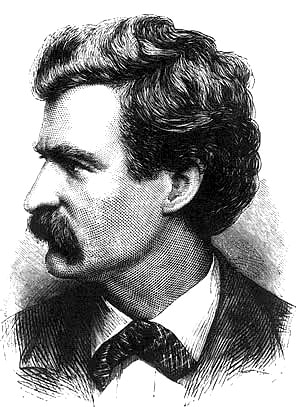
Follow Mark Twain as he traipses through Old World Europe on his first pilgrimage to the Holy Land, marking the curiosities of the foreign lands with the characteristic wit and irony that made him famous. A classic in travel literature.
“Travel is fatal to prejudice, bigotry, and narrow-mindedness, and many of our people need it sorely on these accounts”
Trespassers on the Roof of the World by Peter Hopkirk

For hundreds of years men have set out to explore the secrets of Tibet, hidden high in the mountains of Asia and long known as “the roof of the world.” In this collection of accounts, Hopkirk examines the various expeditions that set out to explore Tibet’s mysteries and their successes and failures.
On Horseback Through Asia Minor by Frederick Burnaby
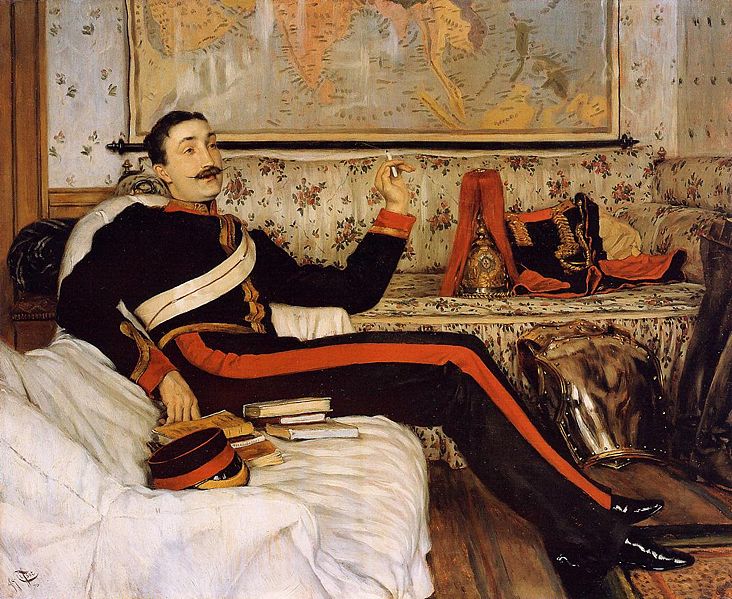
A compelling report of a death defying thousand mile winter journey on horseback from Constantinople to Turkey as told by Frederick Burnaby, known best as the first man to cross the English Channel alone by hot air balloon.
The Man Eaters of Kumaon by Jim Corbett
A legend in the world of big game hunting, Corbett’s shooting skills were equaled only by his ability to tell a good story. In this, his most famous work, Corbett details the hunting of several man eating tigers in the Kumaon region of India including the Champawat Tiger, which alone killed 436 people before Corbett came along.
Brazilian Adventure by Peter Fleming

The autobiographical account of Peter Fleming, brother of Ian Fleming of 007 fame, as he and a team embark on an expedition down the Amazon in an effort to discover the fate of Colonel Fawcett, who disappeared into the jungle years earlier while searching out the Lost City of Z.
Into Africa: The Epic Adventures of Stanley and Livingstone by Martin Dugard
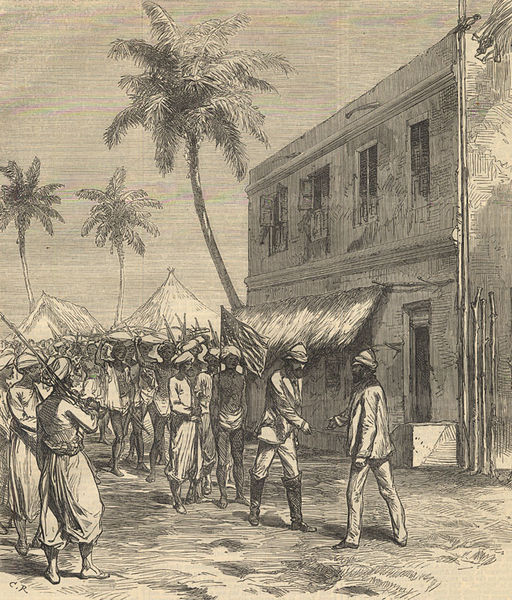
Dugard paints a portrait of famed African explorer Henry Stanley and the famous Dr. David Livingstone different from so many historical narratives before him, and does so in his usual thrilling style. A true page turner that you is guaranteed to keep you up at night as it follows Stanley and Livingstone through the wilds of East Africa at a time when danger lurked around every corner.
To see a list with just the titles and author names for easy printing, click here.