







What Your Dashboard Warning Lights Actually Mean
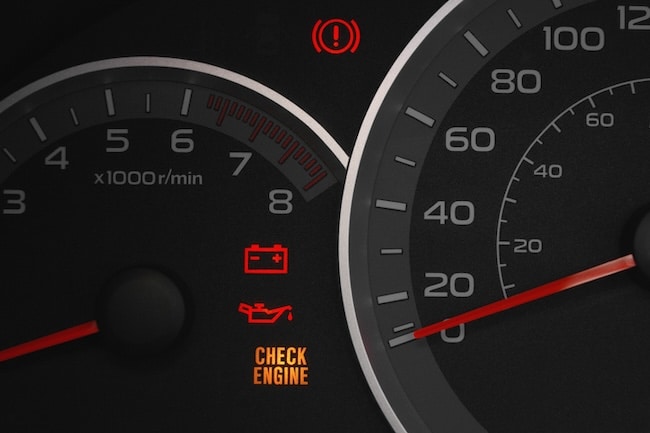
The other day, as I was driving my kids to school in our Toyota 4Runner, I noticed a dashboard light indicator turn on. It was a yellow exclamation point inside a horseshoe shape: check tire pressure. I flipped my dashboard display to check the tire pressure, and sure enough, my passenger side rear tire was at 27 PSI. So after I dropped the kids off, I pulled into a gas station to check things out and found a nail in that tire. I dropped the car off at a nearby Firestone, they patched it up in a few minutes, and I was back in business.
That experience reminded me of the usefulness of dashboard warning lights, and it nudged me to review what all of them mean, not only for myself, but for my son Gus, who has his learner’s permit and is starting to drive. Good opportunity to go over this stuff with him.
Dashboard lights are largely standardized across makes and models of vehicles. Because they’re uniform, they clearly convey what might be wrong with your rig, whether you’re driving a Honda Accord or a Ford F-150.
Treat dashboard lights like a traffic light. Green and blue lights are informational. They’re confirming that a feature on your vehicle is active. Nothing to worry about here. Yellow lights mean something needs attention, but you’re not in immediate danger. Red lights mean find somewhere safe to pull over and figure out what’s going on before you keep driving.
Let’s get more specific and look at the most common dashboard symbols and what they mean.
Red: The “Pull Over Now” Lights
These are the ones that, if you ignore them, will run up a repair bill that will make you want to cry.
Oil Pressure Warning
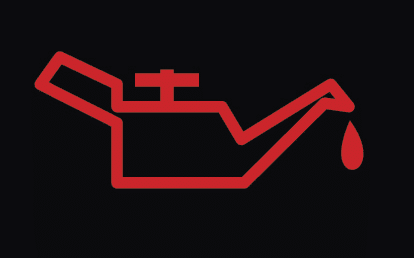
People assume this means they need to top off their oil. It doesn’t. It means oil isn’t circulating through the engine. Without pressure, metal components start grinding against each other, and your engine can seize up into a solid block of useless metal in minutes. Get off the road and take it to a mechanic post haste!
Engine Temperature Warning
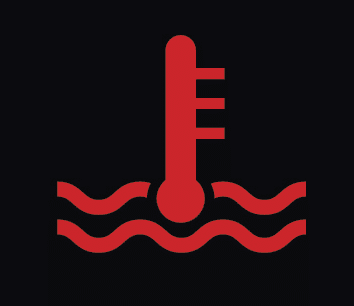
Your engine is overheating. Pull over, turn it off, and let it cool down before you do anything. Don’t open the radiator cap while the engine is still hot unless you want pressurized coolant to spray out and burn you.
Brake System Warning
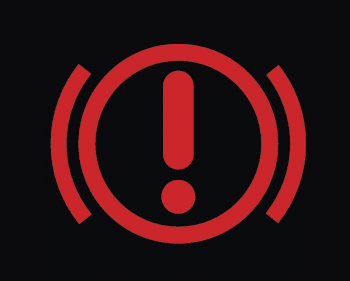
Best case, your parking brake is still engaged. If the light stays on while you’re driving and the parking brake is definitely off, you may have a hydraulic leak or severely worn pads. Test your brakes carefully and get it looked at ASAP.
Battery/Charging Alert
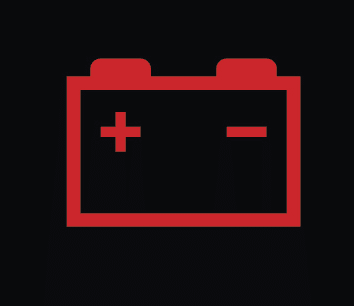
Your alternator has stopped recharging the battery. You’re running the car on battery reserves alone, and you’ll start losing power to your lights, steering, and eventually the engine. Take it to the shop to get it checked out.
Airbag/SRS Warning

This one is easy to ignore because the car still drives fine. Don’t. If this light stays on, your airbags may not deploy in a crash. Get it diagnosed.
Yellow: The “Handle This Week” Lights
These indicate something has failed or is approaching failure. Not pull-over emergencies, but not something to sit on for two months either.
Check Engine Light
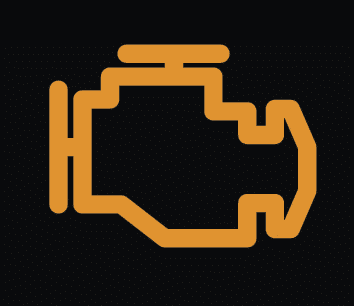
The most notorious light on any dashboard, though the dread it produces may or may not be warranted. It could be something minor. It could be a failing catalytic converter. You won’t know without a diagnostic scanner — most auto parts stores will pull the code for free. One thing to know: if the check engine light is flashing, that’s an active engine misfire that can cause serious damage. Treat a flashing check engine light the same as a red light.
ABS Warning
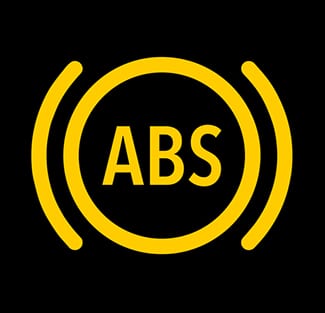
Your anti-lock braking system has been deactivated. You still have brakes, but you’ve lost the system that prevents your wheels from locking up during hard braking on slick pavement. Drive accordingly and get it diagnosed.
Tire Pressure Monitoring
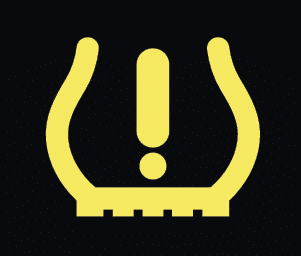
This is the one that popped up for me recently. It means one or more tires have dropped below their recommended PSI. Pull over to check for any sources of leaks. You’ll often find a nail.
This warning light can appear even when you don’t have a leak. Usually occurs during the winter because colder temperatures reduce tire pressure. Once you start driving, things start warming up again, and tire pressure goes back to normal.
You’ll want to address this issue soon since low tire pressure affects handling, fuel economy, and tire life.
Advertisement
Power Steering Warning

More common on newer cars with electric power steering. When this system goes, the steering wheel gets very heavy very fast. If you’ve never experienced it, it’ll catch you off guard. Get it looked at.
Traction Control
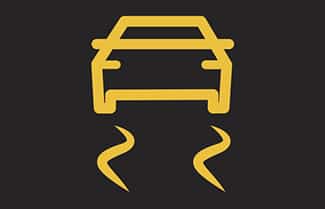
If this flashes briefly while you’re driving through rain or snow, that’s normal — the system is managing wheel slip. If it stays on solid, the system has been disabled or has a fault.
Blue/Green: The “Just Keeping You Informed” Lights
These aren’t warnings that something is wrong with your car. They’re your car confirming a feature is currently active.
High Beam Indicator

Your brights are on. Flip them off for oncoming traffic.
Coolant Temperature
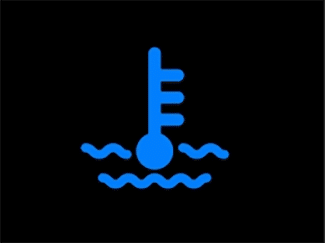
Appears when the engine is still cold and disappears once it reaches normal operating temperature. Go easy on the throttle until it’s gone.
4WD Indicator
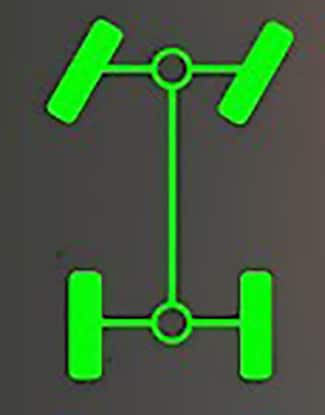
Green means four-wheel drive is engaged, which is purely informational. One thing worth knowing: if you leave it in 4Hi on dry pavement, you’ll start binding the drivetrain. Use 4WD for the conditions that call for it, then shift back out when you’re on a dry road.
Get Yo’ Self an OBD-II Scanner
An OBD-II scanner is a device that plugs into your car to read diagnostic trouble codes and monitor engine performance. Pick one up and keep it in your glove box. They run $25–$50 on Amazon. Whenever you see a dashboard light (particularly that yellow check engine light), plug it into a port under your dashboard. It will give you an error code in about 60 seconds, so you know exactly what’s wrong with your car. Most auto parts stores will do this for free, too, but having your own scanner will allow you to check issues immediately instead of driving to a shop and waiting. It also lets you know what the problem is before going into a shop, monitor ongoing problems, clear codes, and avoid unnecessary trips for minor issues.