







4 Ways to Put the Memorial Back in Memorial Day
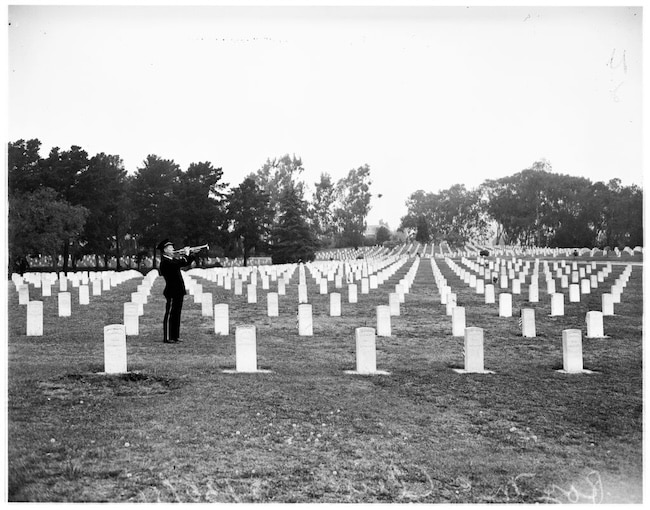
Memorial Day is coming up. For most folks that means a day off, grilling in the backyard, and getting 30% off at their favorite online retailer.
Nothing wrong with that. I’m looking forward to eating a burger this weekend myself.
But Memorial Day was established for a graver and loftier purpose — one that’s worth putting yourself in touch with each time it comes around.
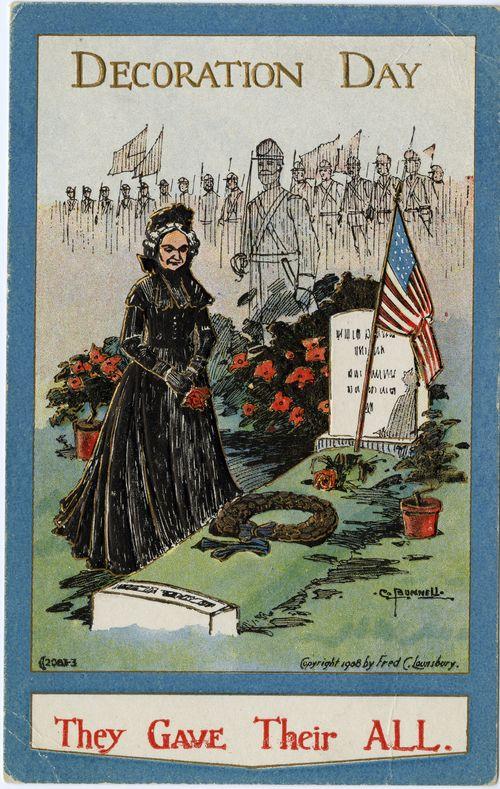
Memorial Day started in 1868 as Decoration Day. After the Civil War (which killed more Americans than any war before or since), people in towns across the country walked to local cemeteries in late May to lay flowers on the graves of the men who didn’t come home.
That’s what the day is supposed to be about. Remembering the men who answered the call and didn’t make it back, honoring those who paid the ultimate price for our freedoms and the life we enjoy today.
If you desire to put the memorial back in Memorial Day, here are four ways to do so:
Read a War Memoir
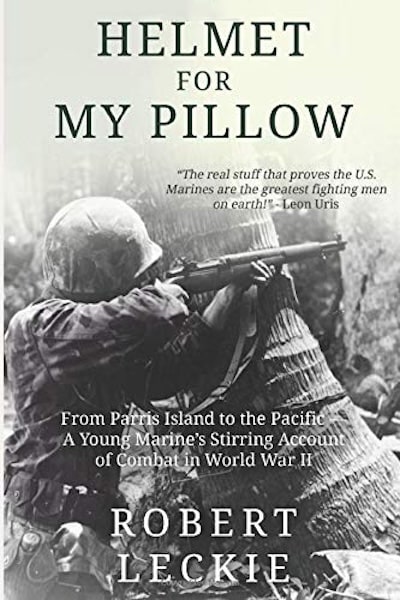
One way to turn your thoughts to the sacrifices made by those who fought for our country is to immerse yourself in their world by reading a war memoir. They’ll give you the perspective of the man on the frontlines. You get the story of those who survived — and, inevitably, of the comrades who didn’t.
You could just start a war memoir over the long weekend, but if you really want to challenge yourself, try to finish it within those three days. If you read one that’s around 300 pages long, that means reading around 2.5 hours a day.
Here are a few to consider picking up this weekend:
- With the Old Breed by Eugene Sledge. Visceral, honest, and morally serious, Sledge captures not just the brutality of WWII’s Pacific campaign, but what prolonged combat does to the human soul. For some inside details on the book, listen to our podcast with Eugene’s son.
- Helmet for My Pillow by Robert Leckie. More literary and philosophical than Sledge, but equally memorable. Leckie has a novelist’s eye for character and atmosphere while still conveying the exhaustion, terror, and absurdity of the Pacific War.
- Company Commander by Charles B. MacDonald. A compelling account from WWII’s European theater. MacDonald was a 21-year-old infantry officer during the Battle of the Bulge and offers his experience with humility, clarity, and emotional honesty.
- Chickenhawk by Robert Mason. One of the best American Vietnam memoirs ever written. Mason was a Huey helicopter pilot, and the book captures both the adrenaline and the psychological attrition of the war with an unsentimental, deeply human, immersive immediacy that makes you feel like you’re there.
Do the Murph
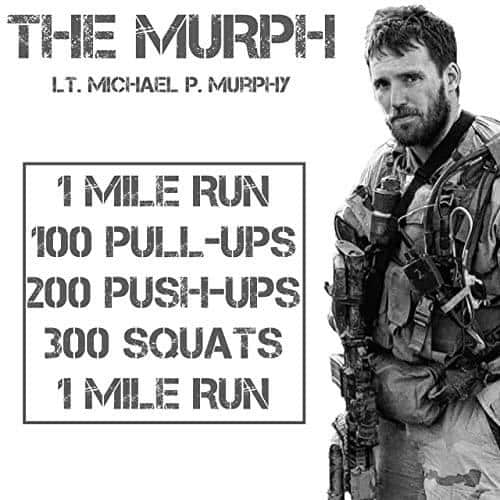
Working out is one of the only ways modern citizens experience even a tiny bit of the pains and exertions experienced by soldiers in combat. One way to pay tribute to them, then, is ramping up the strenuosity and performing a workout with a specifically in memoriam purpose.
Enter the Murph Challenge. Named after Lt. Michael Murphy, a Navy SEAL killed in Afghanistan during Operation Red Wings (the mission Lone Survivor is based on), the workout is based on his favorite personal training session while deployed and at home. The workout consists of:
Advertisement
- 1-mile run
- 100 pull-ups
- 200 push-ups
- 300 air squats
- 1-mile run
The exercises are all done while wearing a 20-pound vest or body armor.
The workout is intentionally difficult, as suffering is part of the point. The grind becomes a small symbolic act of remembrance: voluntarily embracing discomfort, exhaustion, and discipline in recognition of those who endured far more.
Watch Band of Brothers or The Pacific
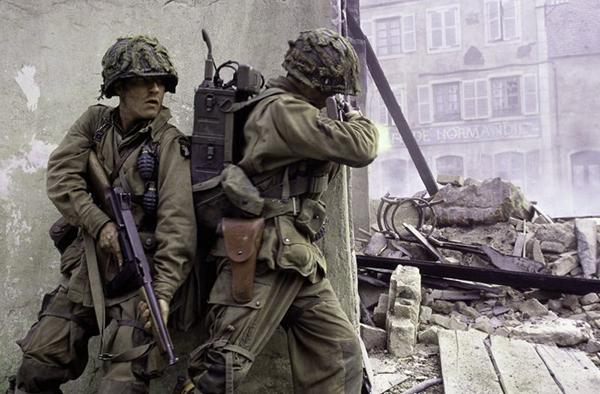
Back when we had cable, I’d usually end up landing on Band of Brothers or The Pacific during my Memorial Day weekend channel surfing. AMC and The History Channel ran marathons of these WWII miniseries all weekend long.
Despite having seen them multiple times, I’d sit there and watch for hours every time I landed on one. When the marathon ended, I always felt the same three things: sad, grateful, and inspired to be a better man.
We don’t have cable anymore, so I haven’t stumbled into one of these marathons in several years. But I’ve missed them. This Memorial Day weekend, I’ve decided to queue one of them up to watch.
What I love about both miniseries is that they follow real units of regular guys through the worst combat of World War II. The cameras don’t dwell on the generals. They stay with the guys on the front lines who, before being thrown into the brutalities of war, worked at the hardware store or attended a state college.
You can’t watch these shows and not think about what was paid for the freedoms you take for granted while you’re eating a burger and drinking a beer.
Volunteer to Put Flags on Soldiers’ Gravestones
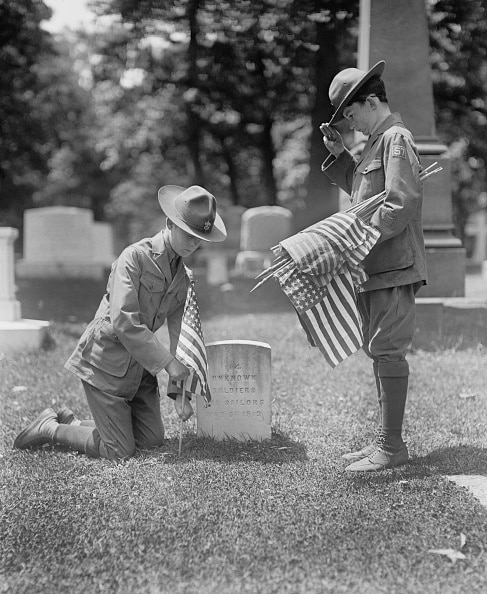
The original Decoration Day was about walking to local cemeteries and laying flowers on the graves of fallen soldiers. The tradition continues today, mostly in the form of small American flags placed in front of veterans’ headstones in the lead-up to Memorial Day.
Local American Legion and VFW posts, along with Boy Scout troops and community groups, organize flag-placing details at veterans’ cemeteries every year. They’re almost always looking for volunteers.
Advertisement
To find a detail near you, call your local American Legion or VFW post, or contact the nearest national or state veterans cemetery.
And don’t forget to put out your flag at home.